The Early goldenrod Plant Advantage: Maximizing Home and Office Appeal and Wellness
1
Increases ground richness through drawing in helpful bugs.
2
Improves garden beauty with bright yellow flowers.
3
Aids local environments by offering pollen for pollinators.
How Does Early goldenrod Benefit Soil Quality?
Improves Soil Fertility
Early goldenrod significantly boosts soil fertility. By drawing in helpful insects like beetles and flies, it aids in nutrient cycling and the breakdown of organic matter, enriching the soil and making it more productive. This, in turn, promotes healthier plant development.
Enhances Soil Structure
The deep root system of Early goldenrod helps break up compacted earth, which improves air circulation and water penetration. This contributes to a healthier soil environment that benefits not only Early goldenrod but also other nearby plants.
What Are the Aesthetic Benefits of Early goldenrod?
Vibrant Yellow Blooms
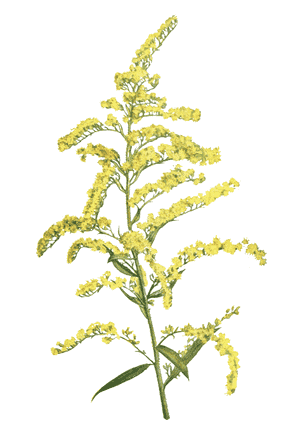
One of the most striking features of Early goldenrod is its bright yellow flowers that appear early in the season. These eye-catching blossoms add a burst of color to any garden or landscape, making it visually appealing.
Versatility in Garden Design
Early goldenrod is incredibly adaptable and can be incorporated into various garden designs, from natural meadows to formal borders. Its height and form make it an excellent backdrop for shorter plants, and its flowers can be used for cut arrangements, bringing beauty indoors.
How Does Early goldenrod Support Local Ecosystems?
Attracts Pollinators
Early goldenrod serves as a crucial food source for pollinators, including bees, butterflies, and other nectar-feeding insects. By cultivating Early goldenrod, you contribute to the survival and increase of these vital creatures, which play a key role in pollination and biodiversity.
Supports Wildlife
Beyond pollinators, Early goldenrod provides habitat and sustenance for various wildlife species. Birds, small mammals, and beneficial insects find refuge and nourishment from this plant, transforming your garden into a sanctuary for local fauna.
Why Is Early goldenrod Low Maintenance?
Drought Tolerant
Early goldenrod is exceptionally tolerant of dry conditions once established, requiring minimal irrigation. This makes it an ideal choice for gardens needing little upkeep or areas with water restrictions.
Pest Resistant
Another advantage of Early goldenrod is its natural resilience to pests and diseases. This reduces the need for chemical treatments, fostering a healthier garden environment.
How to Successfully Grow Early goldenrod?
Optimal Growing Conditions
Early goldenrod thrives in full sun to partial shade and well-drained soil. It can adapt to various soil types, including sandy and clay, but performs best in moderately moist conditions.
Planting and Care Tips
For optimal results, plant Early goldenrod in early spring or fall. Space the plants approximately 18 inches apart to allow for sufficient air circulation. Remove spent flowers to encourage more blooms and cut back the plant in late autumn to prepare for the next growing season.



