The Silverrod Plant Advantage: Maximizing Home and Office Appeal and Wellness
1
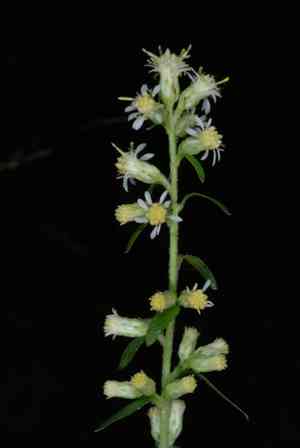
Silverrod is recognized for its beautiful white blossoms that appear in late summer.
2
This resilient plant is remarkably simple to cultivate and care for across different climates.
3
Silverrod frequently finds a place in gardens due to its distinctive look and advantageous characteristics.
What Makes Silverrod Unique?
Appearance
Silverrod is known for its striking white blossoms that stand out against vibrant green leaves. These flowers, which appear in late summer, lend sophistication to any garden. Their delicate yet robust nature makes them a favorite among landscape designers and home gardeners.
Growth and Care
Silverrod thrives in various soil types and climates, making it an incredibly adaptable plant. Its tough nature means it needs minimal upkeep, allowing gardeners to enjoy its beauty with little effort. This resilience makes Silverrod an excellent option for beginners and experienced gardeners seeking a low-maintenance addition.
How Does Silverrod Benefit Your Garden?
Attracting Pollinators
A key advantage of Silverrod is its ability to draw in beneficial pollinators like bees and butterflies. These pollinators are vital for garden health, aiding in plant fertilization, leading to strong growth and abundant blooms. Incorporating Silverrod can thus contribute to a healthier, more vibrant ecosystem.
Soil Improvement
Silverrod plays a significant role in enhancing soil health. Its root systems help prevent erosion, and their presence improves soil structure, making it more suitable for other plants. Additionally, Silverrod can flourish in poor soil, gradually improving its quality over time through natural processes.
What Are Silverrod's Ecological Advantages?
Supports Biodiversity
Silverrod supports biodiversity by offering habitat and food sources for various wildlife. Birds, small mammals, and insects all benefit from Silverrod, making it a crucial species for maintaining ecological balance. Its inclusion in natural landscapes can foster a more diverse and resilient ecosystem.
Sustainability
Adding Silverrod to your garden or natural area is a step towards sustainability. As a native plant, it is well-adapted to local conditions and requires fewer resources than non-native species. This reduces the need for water, fertilizers, and pesticides, leading to more sustainable and eco-friendly gardening.
Can Silverrod Be Used for Decoration?
Cut Flowers
Silverrod is an excellent choice for cut flowers due to its elegant and long-lasting blooms. Its stems can be used to create beautiful floral arrangements that bring nature indoors. Whether used alone or with other flowers, Silverrod adds grace and charm to any setting.
Seasonal Decor
Silverrod's versatility extends to seasonal decorations. In the fall, its persistent flowers can be used in wreaths, centerpieces, and other decorative items. This not only enhances your home's visual appeal but also brings outdoor beauty inside, creating a harmonious connection with nature.
How to Incorporate Silverrod into Your Garden?
Planting Advice
To successfully integrate Silverrod into your garden, select a spot with well-drained soil and ample sunlight. Planting in spring or early fall ensures it has enough time to establish before extreme weather. Regular watering during initial growth will aid its establishment.
Companion Planting
Silverrod pairs well with various other plants, making it suitable for companion planting. Consider planting it alongside native grasses, perennials, and other pollinator-friendly species. This not only creates a visually appealing garden but also fosters a supportive environment for all plants.



