The Japanese skimmia Plant Advantage: Maximizing Home and Office Appeal and Wellness
1
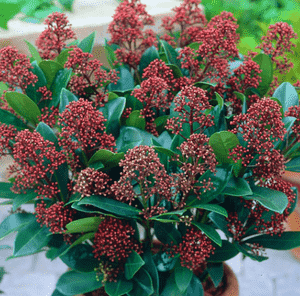
Japanese skimmia is an evergreen shrub providing continuous aesthetic appeal.
2
Its aromatic blossoms draw in pollinators, boosting garden ecological variety.
3
The shrub's modest dimensions render it ideal for compact gardens or pot cultivation.
What Are the Visual Advantages of Japanese Skimmia?
Consistent Beauty Throughout the Year
Japanese skimmia provides continuous visual appeal, thanks to its evergreen leaves and seasonal transformations. In spring, it produces fragrant white or pink flower clusters, which later develop into vivid red berries in autumn and winter. These features make Japanese skimmia a garden highlight, offering color even in colder periods.
Compact Size and Adaptability
Japanese skimmia is relatively small, typically reaching 3 to 6 feet in height, making it perfect for small gardens or container cultivation. This flexibility allows for its integration into various garden layouts, whether you aim for a central feature with a single plant or wish to add structure to a mixed border.
How Does Japanese Skimmia Benefit Local Wildlife?
Attracts Pollinating Insects
The aromatic blossoms of Japanese skimmia are not only pleasing to the senses; they also draw in various pollinators, including bees and butterflies. By cultivating Japanese skimmia, you supply a vital food source for these crucial creatures, which in turn supports the overall health of your garden's ecosystem.
Offers Sanctuary for Birds
The dense foliage and berry clusters of Japanese skimmia provide excellent refuge and nesting spots for birds. During fall and winter, the berries serve as an important food source, attracting species like robins and cedar waxwings. By incorporating Japanese skimmia into your garden, you create a more welcoming habitat for local wildlife.
Is Japanese Skimmia Simple to Grow and Maintain?
Minimal Upkeep Requirements
Japanese skimmia is known for its relatively low maintenance needs. It thrives in partial to full shade and well-drained soil, making it a versatile option for diverse garden conditions. Once established, the plant is drought-tolerant and requires little pruning, making it an excellent choice for both new and experienced gardeners.
Resistant to Common Pests
Japanese skimmia generally resists many common garden pests and diseases, reducing the need for chemical interventions. This natural resilience makes it an environmentally friendly choice for your garden, as you can minimize pesticide use and still enjoy a healthy, flourishing plant.
What Are the Optimal Methods for Planting Japanese Skimmia?
Selecting the Appropriate Site
For best growth, plant Japanese skimmia in a location that receives partial to full shade. While it can endure some sun, excessive direct sunlight may cause leaf scorching. Well-drained soil is crucial, as the plant does not fare well in waterlogged conditions. Consider adding organic material to the soil to enhance drainage and fertility.
Correct Planting Procedures
When planting Japanese skimmia, dig a hole twice the width of the root ball but no deeper. Position the plant in the hole and backfill with soil, gently firming it down to remove air pockets. Water thoroughly after planting, and apply a layer of mulch around the base to help retain moisture and suppress weeds. Consistent watering is vital during the initial months to help the plant develop a robust root system.
Can Japanese Skimmia Be Utilized in Landscape Design?
Establishing Visual Highlights
Japanese skimmia can serve as an excellent focal point in garden design, thanks to its striking flowers and berries. Plant it near an entrance, patio, or garden path where its beauty can be admired closely. The plant's compact size makes it suitable for smaller areas, where it can stand out without dominating the space.
Adding Structure to Borders
Japanese skimmia also performs well in mixed borders, where its evergreen foliage provides structure and continuity throughout the year. Pair it with other shade-loving plants such as ferns, hostas, and hellebores to create a layered, visually appealing landscape. The contrast between Japanese skimmia's dark green leaves and the lighter foliage of its companions can add depth and interest to your garden.



