The Western blue-eyed grass Plant Advantage: Maximizing Home and Office Appeal and Wellness
1
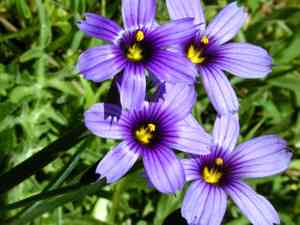
Sisyrinchium bellum, a native of the western US, thrives in diverse environments.
2
This species is recognized for its striking blue-purple flowers, which draw in pollinators.
3
Requiring little care, Sisyrinchium bellum is an excellent choice for residential landscapes.
What Are the Growing Conditions Optimal for Western blue-eyed grass?
Soil Requirements
A great feature of Western blue-eyed grass is its ability to adapt to different soil types. While it thrives in soil that drains well, it can also handle clay and sandy soils. To improve its growth, adding organic compost can be beneficial.
Sunlight and Watering Needs
Although Western blue-eyed grass prefers full sun, it can tolerate some shade. Consistent watering during its initial growth is vital, but it becomes quite drought-tolerant once established. Avoid overwatering to prevent root rot.
How Does Western blue-eyed grass Enhance Garden Aesthetics?
Vibrant Blooms
Western blue-eyed grass produces striking blue-purple flowers that can brighten any garden area. Its blossoms are often described as captivating, and the plant flowers from late winter through early summer.
Attracting Pollinators
A significant ecological benefit of Western blue-eyed grass is its capacity to draw in and support pollinators like bees and butterflies. This not only improves your garden's health but also contributes to the wider ecosystem.
What Are the Low-Maintenance Benefits of Western blue-eyed grass?
Minimal Care Requirements
Western blue-eyed grass is known for being low-maintenance. Once established, it needs little attention, making it an ideal choice for both new and experienced gardeners. Its drought tolerance means less frequent watering, and it rarely needs fertilizer.
Pest and Disease Resistance
Another advantage of growing Western blue-eyed grass is its resistance to most common pests and diseases. This ensures a healthier plant and reduces the need for chemical pesticides, making your garden more eco-friendly.
Can Western blue-eyed grass Be Used in Landscape Design?
Versatile Applications
Western blue-eyed grass can be effectively used in various landscape designs. Whether you want a formal garden or a naturalistic setting, its versatility allows for many design possibilities. It can be used as a ground cover, border plant, or even in rock gardens.
Companion Planting
Companion planting with Western blue-eyed grass can boost biodiversity and garden health. It pairs well with other native species and can help deter pests when strategically placed alongside other plants.
How to Propagate Western blue-eyed grass Successfully?
Seed Propagation
Propagating Western blue-eyed grass from seeds is one of the most common methods. Seeds should be sown in well-draining soil and kept moist until germination. It's essential to plant them during the fall or early spring for the best results.
Division Propagation
Another effective propagation method is division. This involves splitting mature clumps of Western blue-eyed grass and replanting them. This not only helps in propagating the plant but also rejuvenates older plants, ensuring continuous growth and bloom.
Why Choose Western blue-eyed grass for Your Garden?
Environmental Benefits
Choosing Western blue-eyed grass for your garden offers several environmental advantages. Its ability to attract pollinators supports local biodiversity, while its drought-resistant properties help conserve water. Additionally, its minimal pest issues mean fewer chemical interventions.
Aesthetic and Practical Benefits
Beyond its ecological advantages, Western blue-eyed grass provides practical benefits for gardeners. Its low maintenance, stunning appearance, and versatility make it a valuable addition to any garden. Whether you're aiming for a lush, vibrant space or a simple, low-effort garden, Western blue-eyed grass fits seamlessly into various gardening styles and needs.



