The Sweet william catchfly Plant Advantage: Maximizing Home and Office Appeal and Wellness
1
Draws in beneficial insects such as bees and butterflies.
2
Requires little upkeep and thrives in diverse soil conditions.
3
Introduces vivid hues to your outdoor space with ease.
What Are the Main Advantages of Cultivating Sweet William Catchfly?
Attracting Pollinators
A key advantage of growing Sweet William catchfly is its capacity to draw in diverse pollinators. Bees, butterflies, and other helpful insects are drawn to its bright blossoms. This not only aids in the plant's own pollination but also supports the overall health of your garden's ecosystem by fostering the presence of these crucial creatures.
Minimal Upkeep Requirements
Sweet William catchfly is a plant that flourishes with little attention. It adapts well to various soil types, including poorer, well-draining ones. Once established, Sweet William catchfly needs infrequent watering and can endure dry spells, making it an excellent option for gardeners seeking low-maintenance choices.
Adding Vivid Color to Your Garden
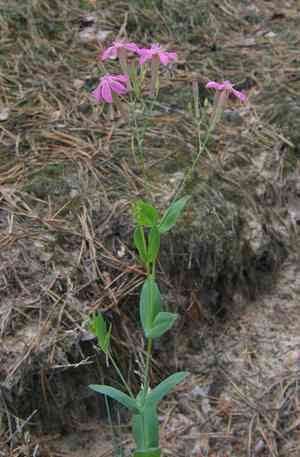
The striking pink, red, and white flowers of Sweet William catchfly can introduce a burst of color to any garden. These blooms appear from late spring to early summer, providing visual appeal for an extended duration. The vibrant hues can complement various garden designs, from cottage gardens to more formal arrangements.
Versatility in Garden Placement
Sweet William catchfly offers flexibility in its garden placement. Whether in borders, rock gardens, or containers, this plant can adapt to different gardening styles and areas. Its upright growth habit and cheerful flowers make it a suitable choice for enhancing various parts of your garden.
Wildlife Friendly
Beyond attracting pollinators, Sweet William catchfly also offers a habitat for other wildlife. Birds and small animals may utilize the plant for food or shelter, increasing your garden's biodiversity. By including Sweet William catchfly in your planting plan, you help create a more balanced and thriving garden environment.
Supporting Soil Health
Sweet William catchfly can contribute to soil health through its natural life cycle. Its roots help to aerate the soil, improving its structure and promoting the absorption of water and nutrients. This can benefit nearby plants and contribute to a healthier garden overall.
Benefits for Gardeners
Beyond its ecological advantages, Sweet William catchfly can offer personal rewards to gardeners. Its easy-care nature makes it perfect for gardeners of all skill levels, providing a sense of accomplishment without intensive upkeep. The cheerful blooms can also boost a gardener's well-being, enhancing the enjoyment of time spent in the garden.
How to Grow and Care for Sweet William Catchfly
Selecting the Ideal Location
Sweet William catchfly prefers a sunny spot, though it can tolerate partial shade. Choose an area of your garden that receives ample sunlight for optimal flowering. Ensure the soil drains well to prevent waterlogging, which can harm the plant.
Planting Guidelines
Plant Sweet William catchfly seeds or transplants in the spring after the danger of frost has passed. Space plants about 12 inches apart to allow for proper air circulation and growth. If starting from seeds, sow them lightly on the soil surface and gently press them down without fully covering them.
Watering and Fertilizing
Sweet William catchfly is fairly drought-tolerant once established, but consistent watering during its initial growth phase will encourage strong root development. Water the plant deeply but infrequently, allowing the soil to dry out between waterings. Fertilization is generally not needed, though a light application of a balanced, slow-release fertilizer can support growth in poorer soils.
Pruning and Deadheading
To extend the blooming period and maintain a tidy appearance, regularly remove spent flowers. This encourages the plant to produce more blooms and prevents it from setting seed too early. Additionally, light pruning can help maintain the plant's shape and encourage bushier growth.
Managing Pests and Diseases
Sweet William catchfly is quite resistant to pests and diseases, making it a low-maintenance choice for gardeners. However, watch for common garden pests like aphids and slugs. If necessary, use natural pest control methods, such as introducing beneficial insects or using organic sprays, to manage infestations.
Enhancing Your Garden with Sweet William Catchfly
Companion Planting
Sweet William catchfly pairs well with various other garden plants. It can be combined with other flowering perennials like lavender or yarrow to create a vibrant, multi-season display. Additionally, its ability to attract pollinators makes it a beneficial companion for fruiting plants like tomatoes and cucumbers.
Integrating Sweet William Catchfly in Garden Design
The tall, upright form and colorful blooms of Sweet William catchfly make it an excellent choice for adding vertical interest to garden beds and borders. Use it to create visual focal points or as part of a mixed planting scheme to provide color and texture contrast. Its ease of growth and maintenance makes it suitable for both experienced and novice gardeners looking to enhance their outdoor spaces.
Seasonal Garden Appeal
With its extended blooming period and vibrant colors, Sweet William catchfly can provide seasonal interest from late spring to early summer. Combine it with early spring bloomers to ensure continuous color in your garden, or pair it with summer and fall flowering plants for a dynamic display throughout the growing season.



