The Palmgrass Plant Advantage: Maximizing Home and Office Appeal and Wellness
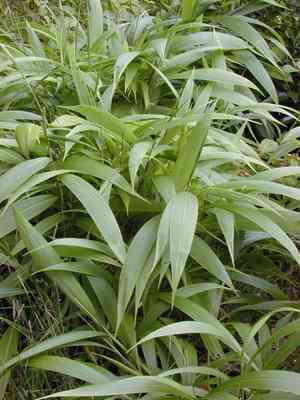
1
Palmgrass is recognized for its remarkable capacity to flourish in diverse environments.
2
Its strong root structure aids in averting soil degradation.
3
Palmgrass offers a plentiful supply of vital minerals and nutrients that promote well-being.
What Environmental Advantages Does Palmgrass Provide?
Soil Erosion Prevention
Palmgrass possesses a strong root network that binds earth particles, effectively preventing soil degradation. This characteristic is particularly beneficial in regions susceptible to heavy rainfall and landslides. It ensures the ground remains fertile and stable, which is vital for cultivating other plants and sustaining local ecosystems.
Adaptability to Diverse Climates
A key attribute of Palmgrass is its capacity to thrive in various climatic conditions. Whether in tropical, subtropical, or temperate zones, this plant flourishes with minimal upkeep. Its hardiness makes it an excellent choice for reforestation efforts and rehabilitating damaged lands. This versatility also means it can be cultivated in different areas, offering environmental advantages globally.
How Does Palmgrass Contribute to Human Nutrition?
Rich in Essential Nutrients
Palmgrass is abundant in crucial nutrients such as calcium, potassium, and magnesium, which are vital for maintaining good health. Including this plant in your diet can help meet daily nutritional needs, promoting stronger bones, improved cardiovascular health, and enhanced muscle function. It can be utilized in various culinary preparations, adding both taste and nourishment.
Source of Dietary Fiber
Beyond its impressive nutrient profile, Palmgrass is an excellent source of dietary fiber. Fiber is crucial for a healthy digestive system, aiding in regular bowel movements and preventing constipation. High fiber intake is also linked to a reduced risk of heart disease, diabetes, and certain cancers. Incorporating Palmgrass into your meal plan can help you achieve these health benefits easily.
What Are the Agricultural Benefits of Cultivating Palmgrass?
Low Maintenance Requirements
Palmgrass is recognized for its minimal maintenance needs, making it an ideal crop for both small-scale and large-scale farming operations. It does not demand extensive use of fertilizers or pesticides, thereby lessening the environmental impact of its cultivation. This trait makes it an appealing option for farmers aiming to adopt sustainable agricultural methods.
Economic Benefits for Farmers
Given its high demand in both ecological and nutritional markets, Palmgrass offers substantial economic advantages. Farmers can market Palmgrass for various applications, including as animal feed, in soil conservation initiatives, and as a nutritious food source. This versatility ensures a consistent revenue stream, helping to support rural economies and improve livelihoods.
Why Should You Consider Integrating Palmgrass Into Your Lifestyle?
Multiple Uses in Cooking
Palmgrass can be incorporated into your diet in numerous ways. Its leaves can be used similarly to spinach in salads, soups, and stews. The plant's culinary versatility allows you to experiment with different recipes, enhancing your gastronomic experiences while boosting your nutrient intake.
Supports Sustainable Living
By cultivating and consuming Palmgrass, you contribute to sustainable living practices. This plant's ability to grow with minimal resources and its ecological benefits make it a sustainable choice for those seeking to reduce their environmental footprint. Whether you are an enthusiastic gardener or a conscientious consumer, integrating Palmgrass into your lifestyle aligns with eco-friendly principles.



