The Peacock moss Plant Advantage: Maximizing Home and Office Appeal and Wellness
1
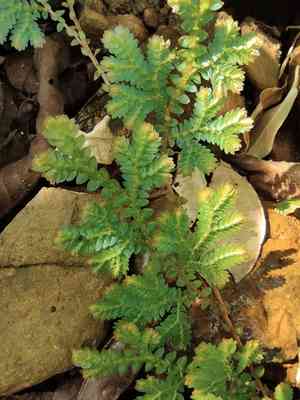
Peacock moss is recognized for its vivid blue-green leaves, making it a favored option for interior decoration.
2
This plant flourishes in damp, shaded conditions, ideal for indoor spaces.
3
Peacock moss improves indoor air quality through its natural air purification and humidification.
What Makes Peacock moss So Special?
Aesthetic Appeal
Peacock moss showcases striking blue-green foliage that gleams in the light, resembling a peacock's feathers. This inherent beauty makes it a favorite among plant lovers and interior designers. It's a superb option for introducing a touch of nature to both contemporary and classic settings.
Adaptability and Versatility
A key characteristic of Peacock moss is its capacity to adjust to diverse environmental conditions. While it naturally flourishes in damp, shaded areas, it can also acclimate to indoor environments with proper care. This flexibility makes it a fitting choice for a broad range of living spaces, from apartments to offices.
How Can Peacock moss Improve Your Living Space?
Air Purification
Plants are renowned for their air-cleansing properties, and Peacock moss is no different. By absorbing pollutants like carbon dioxide and releasing oxygen, it aids in creating a healthier indoor atmosphere. This is particularly advantageous for those residing in urban areas or homes with inadequate ventilation.
Natural Humidifier
Peacock moss also functions as a natural humidifier. In dry air conditions, it can assist in maintaining optimal humidity levels, which is especially crucial during colder months. Appropriate humidity can alleviate issues such as dry skin and respiratory problems, making your living space more comfortable.
What Are Essential Care Tips for Peacock moss?
Optimal Lighting Conditions
To ensure Peacock moss thrives, position it in an area with indirect sunlight. Direct sun exposure can scorch its delicate leaves, causing them to lose their vibrant hue. If natural light is limited, consider utilizing grow lights to replicate its natural habitat.
Watering and Soil Requirements
Peacock moss prefers consistently moist soil, but it's vital to prevent waterlogging, which can lead to root rot. Water the plant when the top inch of the soil feels dry, and ensure the pot has drainage holes to allow excess water to escape. A well-draining soil mix formulated for ferns is ideal.
Can Peacock moss Coexist With Other Plants?
Companion Planting
Peacock moss can be an excellent companion plant. Its distinctive foliage can complement other shade-loving plants such as ferns, calatheas, and begonias. This can foster a lush, diverse indoor garden with varied textures and colors.
Pest Resistance
One of the benefits of owning Peacock moss is its relatively pest-resistant nature. While no plant is entirely immune to pests, Peacock moss tends to encounter fewer problems with common indoor plant pests like spider mites and aphids. Regularly inspecting the plant and keeping its environment clean can further prevent infestations.
Why Choose Peacock moss for Your Indoor Garden?
Easy Maintenance
Despite its exotic appearance, Peacock moss is relatively simple to care for, making it suitable even for beginner gardeners. With basic attention such as regular watering, appropriate lighting, and occasional fertilization, it can flourish and enhance your indoor space for years.
Mental Well-being
Research indicates that houseplants can improve mental health by reducing stress and promoting relaxation. The serene beauty of Peacock moss can provide a calming presence in any room, contributing to a more peaceful and harmonious environment.



