The Common crownvetch Plant Advantage: Maximizing Home and Office Appeal and Wellness
1
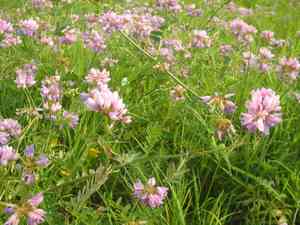
Coronilla varia excels at securing soil and preventing erosion.
2
Coronilla varia offers vital nourishment, aiding local fauna.
3
Coronilla varia is an easy-to-care-for plant, offering considerable ecological advantages.
How Does Common crownvetch Aid in Soil Stability and Erosion Prevention?
Root System and Soil Stabilization
Common crownvetch features a thick, spreading root system that forms a strong network beneath the ground. This extensive root structure helps hold the soil together, significantly lowering the risk of erosion, especially on sloped and other vulnerable terrains. By anchoring the soil, Common crownvetch prevents soil displacement and fosters a more stable landscape.
Long-Term Erosion Control
Beyond initial soil stabilization, Common crownvetch proves effective for sustained erosion prevention. The plant's roots continue to penetrate and secure the soil over time, making it an excellent choice for ongoing land management initiatives. It's particularly useful along roadsides, embankments, and waterways where continuous protection against soil loss is vital.
What Nutritional Advantages Does Common crownvetch Offer to Local Wildlife?
Nutritious Forage for Herbivores
Common crownvetch serves as a nourishing food source for various plant-eating animals. Its foliage contains essential nutrients that support the diets of creatures like deer, rabbits, and certain bird species. By incorporating Common crownvetch into wildlife habitats, land managers can help maintain a healthy ecosystem by providing a dependable food supply.
Supporting Pollinators and Insects
The flowers of Common crownvetch attract a range of pollinators, including bees and butterflies. These insects play a crucial role in pollination, which is vital for the reproduction of many plants. By planting Common crownvetch, homeowners and conservationists can help sustain pollinator populations, contributing to broader ecological benefits.
Why is Common crownvetch Considered Low-Maintenance?
Minimal Water Requirements
Common crownvetch is well-adapted to diverse environmental conditions, including dry soils. This plant needs minimal watering once established, making it ideal for drought-prone regions or areas where water conservation is a priority. Its drought resistance reduces the need for constant irrigation, saving both resources and effort.
Resilience to Pests and Diseases
Common crownvetch exhibits natural resistance to many common pests and diseases, lessening the need for chemical treatments and interventions. This resilience translates to less upkeep and a more sustainable approach to planting and landscaping. Homeowners and land managers can benefit from reduced costs and labor associated with pest control.
How is Common crownvetch Utilized in Landscaping and Agriculture?
Ground Cover and Aesthetic Appeal
Common crownvetch is frequently used as a ground cover due to its dense growth and attractive blooms. It effectively covers large areas, providing a lush, green appearance and enhancing the overall aesthetic appeal of gardens and landscapes. Its ability to thrive in various soil types further adds to its versatility in landscaping projects.
Agricultural Benefits
In agricultural settings, Common crownvetch can be used as a cover crop to improve soil quality and prevent weed growth. Its nitrogen-fixing ability enhances soil fertility, benefiting other crops planted in subsequent seasons. Farmers and gardeners often incorporate Common crownvetch into crop rotation plans to capitalize on these benefits, promoting healthier and more productive soil.
Can Common crownvetch Enhance Biodiversity?
Habitat Creation
Planting Common crownvetch can create habitats for various species, promoting biodiversity in the area. Its dense growth provides shelter for small mammals, birds, and insects, fostering a thriving and diverse ecosystem. By enhancing habitat availability, Common crownvetch supports conservation efforts and biodiversity initiatives.
Environmental Benefits
Common crownvetch contributes to environmental health by improving soil structure, reducing erosion, and supporting pollinators. These benefits collectively enhance the resilience and sustainability of natural and managed ecosystems. Including Common crownvetch in land management practices can have far-reaching environmental impacts, reinforcing its value in conservation and restoration projects.



