The Portuguese squill Plant Advantage: Maximizing Home and Office Appeal and Wellness
1
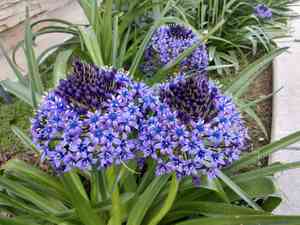
The Portuguese squill is a perennial, showcasing beautiful blue blooms.
2
It flourishes best in regions with a Mediterranean climate.
3
This plant is prized for its decorative appeal in garden settings.
Why Portuguese Squill is a Top Garden Choice
Impressive Visual Charm
A key reason gardeners adore Portuguese squill is its striking visual appeal. This plant produces vibrant blue flower clusters that can brighten any garden space. These blossoms typically appear in spring, offering a burst of color that signals the new season. The star-shaped flowers are not only beautiful but also attract pollinators like bees and butterflies, boosting your garden's biodiversity.
Simple to Cultivate and Maintain
Portuguese squill is renowned for its hardiness and ease of upkeep. It thrives in well-drained soil and prefers full sun to partial shade, making it adaptable to various garden environments. Once established, it needs minimal attention, making it an ideal option for both new and experienced gardeners. Consistent watering during its active growth and light pruning are usually enough to keep it healthy and thriving.
How Portuguese Squill Benefits Garden Ecosystems
Luring Beneficial Insects
The bright blooms of Portuguese squill are known to draw in various helpful insects, including bees and butterflies. These pollinators are vital for the health of garden ecosystems, assisting in the pollination of other plants and contributing to a flourishing garden. By introducing Portuguese squill into your garden, you can support local pollinator populations and foster biodiversity.
Offering Shelter for Small Creatures
Portuguese squill can also provide a home for small wildlife such as birds and insects. Its dense foliage and flower clusters offer refuge and nesting spots, creating a miniature ecosystem within your garden. This not only enriches the garden's ecological balance but also offers an educational chance to observe nature's complex interconnections up close.
Diverse Applications of Portuguese Squill in Landscaping
Edging and Ground Cover
Portuguese squill is highly adaptable in landscaping, frequently used for border planting and as ground cover. Its low-growing habit and spreading capability make it perfect for filling bare spots and creating lush, green edges. The vivid blue flowers add a splash of color, providing visual interest along garden paths and bed perimeters.
Potted Plant Cultivation
For those with limited garden space, Portuguese squill is an excellent choice for container gardening. The plant can flourish in pots and other containers, making it suitable for patios, balconies, and small urban gardens. Container growing allows for greater flexibility in placement, letting you display the plant's beauty in various settings while enjoying its low-maintenance needs.
Year-Round Care for Portuguese Squill
Seasonal Maintenance Advice
To ensure optimal growth and blooming of Portuguese squill, following seasonal care guidelines is crucial. During the active growing period, consistent watering is essential, especially in dry spells. Applying a balanced fertilizer can encourage robust growth and more abundant flowers. In autumn, trimming spent flower stalks and tidying the foliage helps prepare the plant for winter dormancy.
Preparing Portuguese Squill for Winter
In colder regions, Portuguese squill might need some winter protection. Mulching around the plant's base can help insulate its roots from extreme temperatures. If you grow it in containers, consider moving them to a sheltered location or indoors to prevent frost damage. With proper care, Portuguese squill will re-emerge healthy and ready to bloom again in spring.
Where to Obtain and Plant Portuguese Squill
Locating Healthy Specimens
When planning to add Portuguese squill to your garden, sourcing quality plants is vital. Visit reputable nurseries or garden centers that offer healthy examples. Alternatively, online plant vendors can provide a wide selection, often with detailed planting and care instructions. Starting with strong plants sets the foundation for successful growth.
Planting Recommendations
Planting Portuguese squill involves selecting the right location and preparing the soil properly. Choose a spot that offers ample sunlight and good drainage. Dig a hole twice the width of the root ball and plant it at the same depth as it was in its original pot. Water thoroughly after planting and apply mulch to retain moisture and deter weeds.



