The Softstem bulrush Plant Advantage: Maximizing Home and Office Appeal and Wellness
1
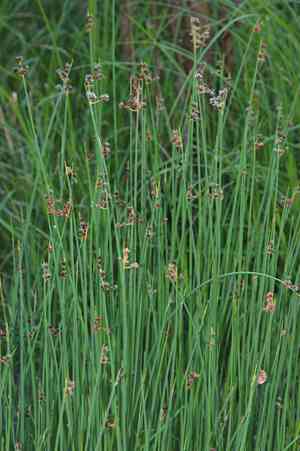
Softstem bulrush aids in cleansing water and rehabilitating wetlands.
2
Softstem bulrush offers crucial living spaces for diverse animal life.
3
Softstem bulrush assists in firming up soil in marshy regions.
Why is Softstem Bulrush Essential for Wetland Water Purification?
Natural Water Purifier
Softstem bulrush plays a vital part in water cleansing. Its root systems, also known as rhizomes, are skilled at taking in pollutants and extra nutrients from the water. This natural filtering process helps maintain water quality by lowering harmful substances like nitrogen and phosphorus, which are known to cause algal blooms.
Fighting Contamination
Increased urban development and farming have led to higher pollution levels in many wetlands. Softstem bulrush's ability to absorb and break down contaminants makes it a key plant for addressing this environmental issue. Wetlands with Softstem bulrush are often healthier and more resistant to various types of pollution.
How Does Softstem Bulrush Support Biodiversity?
Home for Aquatic Organisms
Softstem bulrush offers a favorable environment for a wide range of aquatic species. Its dense leaves and complex root system provide shelter and breeding grounds for fish, amphibians, and invertebrates. Birds and other wildlife also depend on the cover and food sources that Softstem bulrush offers.
Encouraging Plant Variety
The presence of Softstem bulrush can promote the growth of other plant species, contributing to a diverse ecosystem. It often lives in harmony with other native plants, fostering a rich plant community that supports overall ecosystem health. The interconnectedness of these plants helps maintain a balanced wetland environment.
What Role Does Softstem Bulrush Play in Soil Stabilization?
Erosion Prevention
Soil erosion is a common problem in wetland ecosystems, especially in areas prone to flooding. The extensive root system of Softstem bulrush helps to bind the soil, reducing the risk of erosion. By stabilizing the soil, Softstem bulrush ensures the longevity and stability of wetland areas, which are crucial for the environment.
Improving Soil Quality
Beyond preventing erosion, Softstem bulrush also contributes to soil health. Its decaying parts add organic matter to the soil, improving soil fertility and structure. Over time, this process enriches the habitat, making it more suitable for plant and animal life.
How Can Softstem Bulrush Be Used in Landscaping and Restoration Projects?
Wetland Restoration
Restoring damaged wetland areas can be difficult, but including Softstem bulrush in these projects can significantly boost success rates. Its resilience and adaptability make it an excellent choice for re-establishing native plants in disturbed sites. This, in turn, aids in the recovery of natural water flow and ecological functions.
Sustainable Landscaping
Softstem bulrush is increasingly used in eco-friendly landscaping practices, such as rain gardens and bio-swales. These landscaping methods prioritize environmental benefits, such as stormwater management and habitat provision, which Softstem bulrush is well-suited to support. Its visual appeal, combined with its practical benefits, makes it a valuable addition to sustainable garden designs.
How Does Softstem Bulrush Contribute to Carbon Sequestration?
Reducing Carbon Footprint
Wetlands are known to be important carbon sinks, and Softstem bulrush's role in these ecosystems is vital. Through photosynthesis, Softstem bulrush absorbs carbon dioxide from the atmosphere, helping to lessen the effects of climate change. This process of carbon storage can lead to long-term benefits for atmospheric health.
Promoting Long-Term Ecological Balance
By participating in the carbon cycle, Softstem bulrush helps maintain ecological equilibrium. Its presence in wetland areas ensures the continued absorption and storage of carbon, which is essential for reducing overall greenhouse gas emissions. In this way, Softstem bulrush contributes to a global effort in combating climate change.



