The African blood lily Plant Advantage: Maximizing Home and Office Appeal and Wellness
1
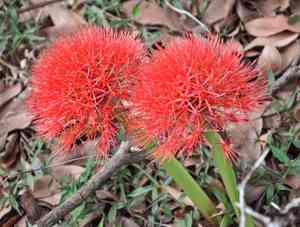
The African blood lily presents a striking aesthetic with its vivid crimson blooms.
2
It demands little upkeep, making it perfect for gardeners with limited time.
3
This plant is recognized for flourishing well both inside and outside.
Why Select African Blood Lily for Your Garden?
Visual Allure
A primary reason to incorporate African blood lily into your garden is its exceptional visual appeal. This plant showcases large, spherical clusters of vivid red blossoms that can instantly enhance the aesthetic interest of any area. The bright flowers beautifully contrast with the plant's rich green foliage, creating a picturesque scene that draws the eye. These striking visuals can serve as a focal point in garden designs, patios, or even indoor arrangements, making African blood lily a versatile option for boosting the beauty of both outdoor and indoor environments.
Minimal Upkeep Requirements
Another significant benefit of African blood lily is its low maintenance needs. Unlike many decorative plants that demand constant care and attention, African blood lily is relatively simple to manage. It thrives in various soil types and requires infrequent watering, making it an ideal choice for busy gardeners or those new to plant care. The plant also resists many common pests and diseases, reducing the need for frequent interventions. This makes African blood lily not only a visually pleasing addition to your garden but also a practical one.
How Does African Blood Lily Benefit Indoor Spaces?
Adaptability to Indoor Environments
African blood lily is not solely for outdoor gardens; it also adapts remarkably well to indoor settings. The plant can flourish in pots and containers, making it a perfect option for those who wish to bring a touch of nature indoors. It can tolerate a range of light conditions, from bright, indirect light to partial shade, offering flexibility in placement within your home. Whether you aim to adorn a balcony, brighten a living room, or add greenery to an office space, African blood lily can adjust to suit various indoor environments.
Air Purification Qualities
Beyond its visual charm, African blood lily offers another substantial advantage for indoor spaces: its air-purifying properties. Like many houseplants, African blood lily can help eliminate toxins from the air, contributing to a healthier living environment. This makes it an excellent addition to any room where you spend considerable time, such as bedrooms or living areas. By improving air quality, African blood lily helps create a more pleasant and healthful indoor atmosphere, enhancing your overall well-being.
What Are the Optimal Growing Conditions for African Blood Lily?
Soil and Hydration Needs
African blood lily is remarkably flexible regarding soil conditions. It can grow in various soil types as long as they provide good drainage. For best growth, consider using a soil mix that includes organic matter, which will supply essential nutrients. Watering should be done sparingly, allowing the soil to dry out between irrigation sessions. Overwatering can lead to root rot, so it's crucial to ensure the soil is never waterlogged. This easy-going nature concerning soil and water needs makes African blood lily a low-fuss addition to your plant collection.
Light and Temperature Preferences
African blood lily thrives best in bright, indirect light but can also endure partial shade. It's important to avoid placing the plant in direct sunlight for extended periods, as this can scorch its leaves. Regarding temperature, African blood lily prefers a range between 60-75°F (15-24°C). It's also relatively resilient and can tolerate brief temperature fluctuations, though prolonged exposure to extreme cold or heat should be avoided. These adaptable light and temperature preferences make it simple to find the ideal spot for African blood lily in your home or garden.
How to Propagate African Blood Lily?
Division Technique
Propagating African blood lily can be easily accomplished through the division method, which is best performed during the plant's dormant period. Carefully remove the plant from its pot or the ground and gently separate the bulbs, ensuring each section has both roots and shoots. Plant the divisions in separate containers filled with well-draining soil and water them lightly. This method is straightforward and allows you to expand your African blood lily collection with minimal effort.
Seed Propagation
While more time-intensive, seed propagation is another way to cultivate African blood lily. Collect seeds from mature plants and sow them in a seed-starting mix. Keep the soil consistently moist and place the container in a warm, well-lit area. Germination can take several weeks to months, so patience is essential. Seed propagation allows for genetic variation, which can be fascinating for enthusiastic gardeners who enjoy experimenting with different plant characteristics.



