The Lizard's tail Plant Advantage: Maximizing Home and Office Appeal and Wellness
1
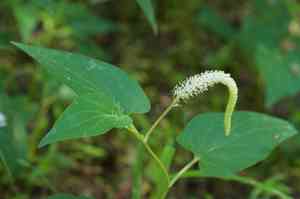
Chameleon plant thrives in marshy areas and contributes positively to the environment.
2
It has a history of application in folk medicine due to its beneficial characteristics.
3
This vegetation aids in purifying water and securing the ground.
What Makes Lizard's tail Special?
Ecological Benefits
A major contribution of Lizard's tail is its function in wetland environments. This plant thrives in damp, marshy areas, playing a vital role in water purification. By taking in pollutants and excess nutrients from water, Lizard's tail helps maintain cleaner bodies of water, supporting a healthier ecosystem for aquatic life. It also aids in soil stabilization, preventing erosion and fostering the growth of other wetland flora.
Biodiversity Support
Lizard's tail creates a welcoming environment for various animal species. Its dense growth offers refuge and breeding sites for numerous insects, birds, and small mammals. The plant's presence in wetlands also encourages richer biodiversity, as it sustains a complex food web. This biodiversity is crucial for ecosystem resilience and stability.
Historical and Traditional Uses of Lizard's tail
Cultural Significance
Lizard's tail has been highly regarded in various cultures due to its many applications. Historically, indigenous communities utilized it for its practical advantages. The plant's roots, stems, and leaves served multiple purposes, from crafting to traditional customs. Such historical use highlights the versatility and importance of Lizard's tail in human history.
Environmental Practices
Beyond its historical uses, Lizard's tail continues to be valued in modern environmental practices. It is frequently planted in constructed wetlands and restoration projects to improve water quality and support local wildlife. These practices demonstrate the plant's lasting value in promoting sustainable and robust ecosystems.
How Does Lizard's tail Promote Soil Health?
Erosion Control
Lizard's tail's root system is particularly effective at preventing soil erosion. The roots firmly hold the soil in place, even in waterlogged conditions, thereby reducing the loss of valuable soil nutrients. This function is essential for preserving the integrity of wetland habitats and shoreline areas.
Nutrient Cycling
The plant plays a key role in nutrient cycling within its ecosystem. By absorbing and later decomposing, Lizard's tail ensures that nutrients are returned to the soil, promoting healthy plant growth. This process supports a sustainable environment where resources are efficiently used and reused, contributing to the overall health of the ecosystem.
Why Use Lizard's tail in Garden and Landscape Design?
Aesthetic Appeal
Lizard's tail brings a unique beauty to garden and landscape designs. Its distinct form and texture add visual interest, making it an excellent choice for gardeners seeking to create diverse and visually pleasing landscapes. The plant's adaptability to wet conditions also allows for creative gardening solutions in areas prone to moisture.
Wildlife Attraction
Incorporating Lizard's tail into garden designs can draw in a variety of wildlife. Birds, butterflies, and beneficial insects are often attracted to the plant, enhancing your garden's biodiversity. This attraction not only makes your garden more vibrant and lively but also promotes a healthier garden ecosystem by encouraging natural pest control and pollination.
How Can Lizard's tail Benefit Aquatic Gardens?
Natural Water Filtration
Aquatic gardens benefit greatly from the inclusion of Lizard's tail. The plant's ability to filter water pollutants makes it an excellent addition to ponds and water gardens. It helps keep water clear and healthy for aquatic plants and animals, ensuring a balanced aquatic environment.
Enhanced Aquatic Habitat
Lizard's tail provides essential cover and breeding areas for various aquatic species. Fish and amphibians find shelter among its roots and stems, which helps protect them from predators. By fostering these habitats, Lizard's tail enhances the ecological value of aquatic gardens and contributes to a thriving aquatic ecosystem.



