The Ashoka tree Plant Advantage: Maximizing Home and Office Appeal and Wellness
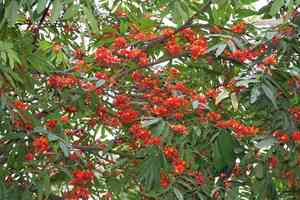
1
The Ashoka tree is recognized for its capacity to improve dermal well-being.
2
It has historically been utilized to bolster female health.
3
Ashoka tree possesses various active constituents that foster general vitality.
What Are the Main Advantages of the Ashoka Tree?
Improved Skin Condition
A prominent advantage of the Ashoka tree is its capacity to enhance dermal well-being. This tree is abundant in tannins, glycosides, and flavonoids, recognized for their skin-rejuvenating effects. These compounds aid in maintaining skin suppleness, reducing inflammation, and combating aging indicators. Furthermore, Ashoka tree is frequently incorporated into skincare products to address acne and other skin ailments, owing to its inherent astringent qualities.
Support for Female Health
For centuries, the Ashoka tree has been acknowledged for its role in bolstering women's health. It is commonly employed in traditional practices to alleviate concerns related to menstrual health and overall hormonal equilibrium. Many women opt for the Ashoka tree due to its natural ability to ease discomfort and foster a sense of well-being during various phases of their menstrual cycles. The plant's distinct composition assists in regulating the menstrual cycle and minimizing typical symptoms associated with menstruation.
How Does the Ashoka Tree Foster General Wellness?
Rich in Active Compounds
The Ashoka tree is replete with bioactive compounds such as flavonoids, tannins, and glycosides. These compounds are known for their antioxidant properties, which help shield the body from oxidative stress. This protection is vital for sustaining overall health and preventing chronic conditions. The antioxidants in the Ashoka tree neutralize free radicals, thereby supporting cellular health and promoting longevity.
Anti-Inflammatory Properties
Inflammation is a frequent underlying factor in numerous health issues. The Ashoka tree possesses potent anti-inflammatory properties, making it a valuable natural remedy for mitigating inflammation. The plant's compounds function by inhibiting the production of inflammatory molecules, thus offering relief from inflammatory conditions. Incorporating the Ashoka tree into one's routine can therefore contribute to reduced inflammation and associated discomfort.
Why Is the Ashoka Tree Revered in Various Cultures?
Cultural Importance
The Ashoka tree holds profound cultural significance in many regions, particularly in South Asia. The tree is often linked with spirituality and is venerated in diverse religious traditions. It is frequently planted near temples and sacred sites as a symbol of purity and devotion. The leaves, flowers, and bark of the Ashoka tree are commonly utilized in religious rituals and ceremonies, believed to bestow blessings and positive energy.
Traditional Applications in Holistic Practices
Traditional healers have long utilized the Ashoka tree for its therapeutic attributes. Its various components are employed in holistic medicine to formulate remedies that aim to harmonize the body's systems and encourage natural healing. The tree's bark, in particular, is a key ingredient in many herbal preparations. These formulations are designed to enhance physical and emotional health, demonstrating the Ashoka tree's integral role in traditional wellness practices.
What Are Other Notable Uses of the Ashoka Tree?
Environmental Advantages
Beyond its health and cultural importance, the Ashoka tree also provides significant environmental benefits. It is a resilient tree that thrives in diverse climates, helping to combat soil erosion and improve air quality. The tree offers a habitat for various bird species, contributing to biodiversity. Additionally, the Ashoka tree's adaptability to different environments makes it a valuable asset for reforestation projects and ecological balance.
Economic Contributions
In many parts of the world, the Ashoka tree contributes to local economies. The tree's bark, leaves, and flowers are harvested and processed into various products that are sold in markets, providing income for local communities. Its use in traditional medicine, cosmetics, and spiritual practices ensures a steady demand for the tree's parts, supporting sustainable economic activities and the livelihoods of those who cultivate and harvest the Ashoka tree.



