The Scarlet sage Plant Advantage: Maximizing Home and Office Appeal and Wellness
1
Salvia splendens brings a lively splash of color to gardens, drawing in beneficial insects such as bees and butterflies.
2
Its fragrant foliage contributes to a pleasant atmosphere in your outdoor area.
3
This plant requires minimal care, making it an excellent choice for both novice and experienced gardeners.
Why Select Scarlet Sage for Your Garden?
Draws in Pollinators
A key characteristic of Scarlet sage is its capacity to attract pollinators like bees, butterflies, and hummingbirds. These creatures are not only pleasant to observe but also vital for pollinating other plants, thereby enhancing the health and output of your entire garden ecosystem.
Visual Appeal
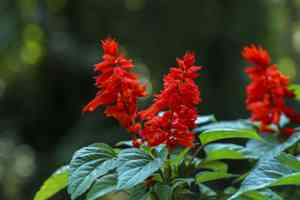
Scarlet sage is well-known for its vivid red blooms that appear throughout the growing season. This burst of color can act as a focal point in your garden, capturing attention and adding visual interest. The plant's abundant foliage also contributes to its decorative charm, making it suitable for various landscaping styles.
How Does Scarlet Sage Benefit Your Environment?
Soil Stabilization
Scarlet sage possesses a strong root system that significantly aids in erosion control. When planted in large groups, it can stabilize soil, preventing it from washing away during heavy rainfall. This makes it an excellent choice for areas prone to erosion, such as slopes and riverbanks.
Air Quality Improvement
Like many plants, Scarlet sage contributes to better air quality. Its leaves help filter airborne pollutants, making it a valuable addition to urban gardens where air pollution can be a concern. The plant's greenery also produces oxygen, fostering a healthier environment.
Is Scarlet Sage Simple to Maintain?
Low Maintenance
Scarlet sage is remarkably low-maintenance, making it an ideal option for both new and experienced gardeners. It requires minimal watering once established, and its resistance to pests and diseases means less time spent on upkeep. This plant thrives in well-drained soil and full sun, though it can also tolerate partial shade.
Drought Resistance
An additional benefit of Scarlet sage is its drought tolerance. This quality makes it a great choice for gardens in regions with water restrictions or those aiming to conserve water. Once established, Scarlet sage can survive with minimal irrigation, making it both eco-friendly and cost-effective to maintain.
What Are the Ornamental Uses of Scarlet Sage?
Decorative Features
Scarlet sage is valued for its ornamental qualities, making it a versatile plant for various garden designs. It can be used as a border plant, in mixed flower beds, or as a standalone feature in a decorative planter. The plant's striking red flowers provide a dynamic contrast to the green foliage of other plants in your garden.
Companion Planting
Due to its ability to attract beneficial insects, Scarlet sage works wonderfully in companion planting arrangements. Pair it with vegetables or other flowering plants to boost pollination and manage harmful pests. This single plant can enhance the overall health and productivity of your garden.
Can Scarlet Sage Be Utilized Beyond the Garden?
Fragrant Leaves
Scarlet sage's aromatic leaves can subtly yet effectively enhance the atmosphere of your outdoor space. When brushed or crushed, the leaves release a pleasant scent that can elevate your garden's sensory experience.
Floral Arrangements
Cut flowers from Scarlet sage can also be used in floral arrangements, adding a splash of color and a touch of nature to your indoor areas. These flowers can be an excellent addition to bouquets, centerpieces, or as a decorative element in your home office.



