The Sage Plant Advantage: Maximizing Home and Office Appeal and Wellness
1
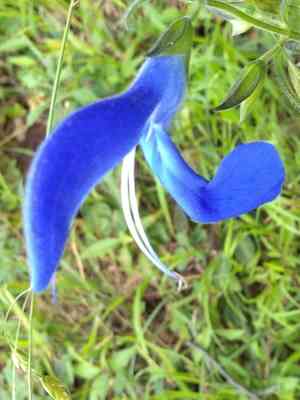
Sage improves the visual appeal of gardens through its vibrant blue flowers.
2
Draws in helpful pollinators such as bees and butterflies.
3
Provides fragrant leaves suitable for cooking purposes.
Why Sage is an Essential Plant for Your Garden
Visual Appeal
A key attractive feature of Sage is its striking blue blossoms, which introduce a burst of color to any garden. This vibrant shade is not only pleasing to the eye but also acts as a focal point, enlivening the entire garden scenery. The plant's upright habit and rich green leaves further boost its decorative value.
Pollinator Attraction
Another significant advantage of Sage is its capacity to draw in beneficial pollinators such as bees, butterflies, and hummingbirds. These creatures are vital for pollinating other plants in your garden, leading to improved fruit and flower production. The abundant nectar from Sage's flowers provides a valuable food source for these helpful insects.
Effortless Upkeep
Gardeners appreciate Sage for its minimal care requirements. It flourishes in well-drained soil and can withstand partial to full sun exposure. Once rooted, Sage is remarkably resistant to drought, making it an excellent option for environmentally conscious gardeners aiming to conserve water.
Elevating Culinary Experiences with Sage
Flavorful Leaves
Sage's aromatic leaves can be harvested and utilized in various cooking applications. The leaves are frequently employed to season soups, stews, and meat dishes, imparting a distinct taste that enhances the overall flavor profile. The adaptability of Sage's foliage makes it a valuable addition to both herb gardens and kitchens.
Herbal Applications
Beyond its use in cooking, Sage can also be dried and prepared as herbal teas. These teas are recognized for their pleasant scent and refreshing taste, making them a popular choice among herbal tea enthusiasts. While refraining from making medicinal claims, it's worth noting that using Sage in herbal teas can offer a delightful and fragrant beverage.
Cultivating and Caring for Sage
Optimal Conditions
Sage thrives in well-draining soil and prefers a sunny spot with some shade. It's crucial to ensure the plant gets sufficient sunlight to encourage abundant flowering. Planting Sage in late spring or early summer guarantees optimal growth and development.
Watering and Trimming
Although Sage can endure dry spells, it's vital to water it consistently during its initial growth phase. Once established, the plant needs less frequent watering. Pruning the plant promotes a bushier form and improves its overall look. Removing faded flowers also encourages continuous blooming throughout the growing season.
Common Pests and Problems with Sage
Pest Management
While Sage is relatively pest-resistant, it can occasionally attract aphids and spider mites. Regular inspection of the plant for signs of these pests is essential. If found, treating the plant with a mild insecticidal soap or introducing beneficial insects like ladybugs can help control pest populations.
Disease Prevention
Sage is generally disease-resistant but can sometimes be prone to root rot if grown in poorly drained soil. Ensuring proper soil drainage and avoiding overwatering are effective preventative measures. It's also wise to space plants adequately to allow good air circulation, reducing the risk of fungal infections.



