The Woodland sage Plant Advantage: Maximizing Home and Office Appeal and Wellness
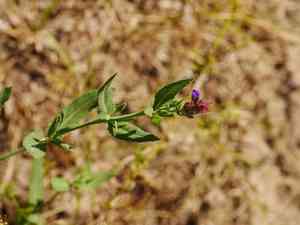
1
Salvia nemorosa boosts garden biodiversity by drawing in helpful insects.
2
This species requires minimal upkeep, making it ideal for novice gardeners.
3
Salvia nemorosa offers a captivating look, enhancing the aesthetic of any landscape.
Why Opt for Woodland Sage in Your Garden?
Draws Beneficial Insects
Woodland sage acts as a lure for helpful insects like bees, butterflies, and ladybugs. These insects are vital for pollination and managing pest populations, which in turn fosters a healthier garden ecosystem. By cultivating Woodland sage, you establish a natural habitat that supports biodiversity and boosts your garden's overall vitality.
Low Upkeep and Simple to Cultivate
Woodland sage is remarkably adaptable and demands minimal care, making it an excellent option for beginner gardeners. It flourishes in various soil types and conditions, including arid regions. Once established, this resilient plant requires little watering and can endure periods of neglect, ensuring your garden stays lush and vibrant with minimal effort.
What are the Visual Benefits of Woodland Sage?
Striking Visual Appeal
The vivid purple-blue blossoms of Woodland sage make it a prominent feature in any garden. Its tall, spiky flowers create a striking contrast with other plants, adding depth and texture to your landscape design. Whether utilized as a border plant, a focal point, or in mass plantings, Woodland sage elevates the visual charm of any outdoor area.
Extended Flowering Period
One of the most appealing aspects of Woodland sage is its prolonged blooming season, which spans from late spring to early autumn. This extended flowering ensures your garden remains colorful and attractive for a longer duration. Additionally, the blooms can be incorporated into floral arrangements, bringing a touch of natural beauty indoors.
How Does Woodland Sage Aid Ecological Balance?
Erosion Prevention
Woodland sage possesses a robust root system that helps stabilize soil and prevent erosion. This makes it an ideal choice for gardens on inclines or in areas susceptible to soil erosion. By planting Woodland sage, you can safeguard your garden from environmental damage and contribute to soil conservation efforts.
Improves Soil Quality
The roots of Woodland sage enhance soil structure by promoting aeration and water penetration. This not only improves soil health but also supports the growth of nearby plants. By integrating Woodland sage into your garden, you create a more fertile and sustainable growing environment for all your plants.
Can Woodland Sage Be Used in Companion Planting?
Natural Pest Deterrent
Woodland sage can be effectively employed in companion planting to ward off harmful pests. Its aromatic foliage acts as a natural repellent, keeping pests away from adjacent plants. By incorporating Woodland sage into your garden, you can lessen the need for chemical pesticides and create a more organic growing environment.
Boosts Growth of Other Plants
Cultivating Woodland sage alongside certain vegetables and herbs can stimulate their growth. For instance, it pairs well with tomatoes, beans, and cucumbers, enhancing their flavor and yield. Utilizing Woodland sage in companion planting can lead to a more productive and harmonious garden.



