The Baby sage Plant Advantage: Maximizing Home and Office Appeal and Wellness
1
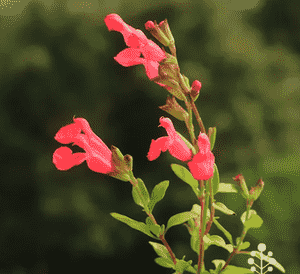
Baby sage is a robust, arid-tolerant plant perfect for effortless gardening.
2
The fragrant foliage of Baby sage is recognized for its soothing properties and can beautify your outdoor area.
3
Blooms draw helpful pollinators like bees and butterflies into your garden.
Why is Baby Sage an Excellent Garden Plant?
Effortless Cultivation
Baby sage is well-known for flourishing in diverse environments, making it a superb option for gardeners seeking plants that require minimal upkeep. This robust plant resists drought, meaning it can survive with little watering once established. Its hardiness suits both new and seasoned gardeners who prefer plants needing less attention.
Attracts Pollinators
A key advantage of Baby sage is its capacity to draw in beneficial pollinators, such as bees and butterflies. Its vibrant blossoms act as a magnet for these insects, boosting biodiversity in your garden. A healthy pollinator population ensures the fertilization of various plants, fostering a flourishing and balanced ecosystem.
How Can Baby Sage Improve Your Outdoor Area?
Visual Appeal
With its delicate blooms and vivid hues, Baby sage enhances the aesthetic charm of any garden. It can serve as a border plant or be integrated into a mixed flower bed to create visual interest. The plant's fragrant leaves and flowers also contribute to the garden's sensory delight, providing a soothing and pleasant ambiance.
Adaptable Landscaping Applications
Baby sage isn't just for garden beds; it can be cultivated in pots, utilized as ground cover, or planted in rock gardens. This adaptability makes it a valuable addition to various landscape designs. Whether you possess a small urban garden or an expansive backyard, Baby sage can be incorporated to suit different layouts and areas.
What Are the Environmental Advantages of Baby Sage?
Soil Erosion Prevention
The root system of Baby sage effectively prevents soil erosion. When planted on slopes or areas prone to erosion, it helps stabilize the soil, reducing the risk of erosion-related problems. This makes it a practical choice for gardens facing erosion issues, contributing to ecological sustainability.
Drought Resistance
In regions where water conservation is vital, Baby sage proves to be an eco-friendly choice. Its drought tolerance means it needs less water compared to other garden plants, aiding in water resource preservation. This characteristic is especially beneficial in areas experiencing water scarcity or in xeriscape gardening.
Can Baby Sage Be Used for Companion Planting?
Pest Deterrence
Specific aromatic compounds found in Baby sage make it an effective natural pest deterrent. Planting it alongside vegetables or other vulnerable plants can help repel pests, lessening the need for chemical pesticides. This practice not only safeguards your garden's health but also promotes organic gardening methods.
Enhancing Soil Quality
Baby sage can also play a role in improving soil quality. Its presence can positively influence the soil's structure and nutrient content, benefiting nearby plants. Additionally, it can contribute to increasing microbial activity in the soil, fostering a healthier garden ecosystem.
How to Maintain Baby Sage?
Optimal Growing Conditions
Baby sage thrives in well-draining soil and a sunny location for peak growth. While it tolerates various soil types, ensuring good drainage is crucial to prevent waterlogging, which can harm its health. Regular trimming helps maintain its form and encourages more prolific flowering.
Propagation Advice
Propagating Baby sage can be achieved through seeds, cuttings, or division. Seeds can be sown directly in the garden or started indoors before transplanting. Cuttings taken from mature plants can be rooted in a suitable growing medium. Division involves separating a mature plant into smaller sections, each with its own root system, and replanting them.
What Are Some Creative Applications of Baby Sage?
Culinary Uses
Beyond its gardening benefits, Baby sage can also be utilized in cooking. Its aromatic leaves can impart flavor to various dishes, making it a popular choice for herb gardens. Incorporating Baby sage into your kitchen garden ensures a fresh supply of herbs for culinary purposes.
Crafting Projects
The dried leaves and flowers of Baby sage can be employed in craft projects such as potpourris and sachets. These crafts not only leverage the plant's pleasant fragrance but also offer a natural way to refresh your living spaces. Engaging in such creative activities can deepen your appreciation for the plant's versatility.
Are There Any Seasonal Considerations for Baby Sage?
Winter Care
Although Baby sage is resilient, providing some winter protection can ensure its survival in colder climates. Mulching around the plant's base helps insulate the roots from freezing temperatures. In regions with harsh winters, consider growing Baby sage in a container that can be moved indoors.
Spring Planting
Spring is an ideal time to plant Baby sage in the garden. The warmer temperatures and increased daylight stimulate new growth, helping the plant establish itself. Starting early in the season allows Baby sage to develop a strong root system before the arrival of hotter summer months.



