The Sitka willow Plant Advantage: Maximizing Home and Office Appeal and Wellness
1
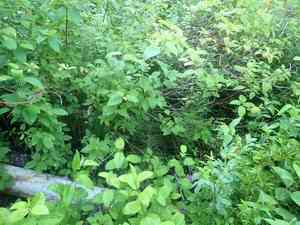
Sitka willow is recognized for its quick development and robust root structure.
2
It finds extensive application in preventing soil erosion across diverse settings.
3
Its foliage and outer covering offer crucial shelter and sustenance for local fauna.
What Are the Environmental Advantages of Sitka Willow?
Erosion Prevention
A key environmental benefit of Sitka willow is its capacity to prevent soil erosion. Its robust root system deeply anchors into the earth, stabilizing it and stopping soil from being washed away by rain or flowing water. This characteristic makes Sitka willow perfect for planting along riverbanks, slopes, and other erosion-prone areas.
Wildlife Sanctuary
Sitka willow provides an essential habitat for various animal species. Birds, mammals, and insects find refuge and sustenance within its dense foliage. The plant's leaves and bark offer nourishment for many creatures, forming a vital link in the food web. This positions Sitka willow as a crucial element of biodiversity, supporting ecosystems and fostering environmental equilibrium.
How Can Sitka Willow Be Incorporated into Landscaping?
Visual Charm
Sitka willow brings considerable aesthetic value to gardens and landscaped spaces. Its vibrant green leaves and elegant shape add a pleasant visual element to outdoor settings. Furthermore, its rapid growth rate means it can quickly become a prominent feature in any landscape design, creating a lively and dynamic appearance.
Practical Uses
Beyond its visual appeal, Sitka willow can be planted for various practical applications. It is frequently utilized as a windbreak, offering shelter and protection to other plants and reducing wind-induced erosion. Its thick canopy can also provide shade, making it a sensible option for establishing cool, comfortable outdoor zones.
What Makes Sitka Willow Important for Ecological Restoration?
Restoration of Damaged Areas
Sitka willow is vital in the restoration of degraded lands. Its resilience and adaptability enable it to flourish in difficult conditions, making it ideal for revitalizing areas impacted by mining, deforestation, or excessive agricultural use. By planting Sitka willow, these regions can recover faster, returning to a more stable and productive state.
Enhancement of Soil Health
Sitka willow contributes to improved soil quality by enhancing its structure and fertility. The plant's root system helps to loosen compacted soil, boosting aeration and water penetration. Additionally, as its leaves and branches decompose, they introduce organic matter to the soil, enriching it with vital nutrients and encouraging healthier plant development.



