The Purple willow Plant Advantage: Maximizing Home and Office Appeal and Wellness
1
Purple willow is recognized for its outstanding ability to prevent soil erosion.
2
Incorporating Purple willow into landscape designs can boost visual attractiveness.
3
It offers a home for local fauna, contributing to ecological diversity.
How Does Purple willow Aid in Preventing Soil Erosion?
Extensive Root System
A key characteristic of Purple willow is its robust and widespread root network. These deep roots effectively secure the soil, making it less vulnerable to erosionâespecially beneficial for areas prone to soil degradation. The roots serve as a powerful stabilizing force, preventing landslides and preserving soil integrity.
Bank Stabilization
Perfect for planting along riverbanks, Purple willow is instrumental in reducing riverbank erosion. Its roots interlace with the soil, forming a natural barrier against water currents, thereby minimizing soil loss. Furthermore, it prevents sediment from entering water bodies, ensuring cleaner and clearer streams and rivers.
What Aesthetic Advantages Does Purple willow Offer?
Visual Appeal
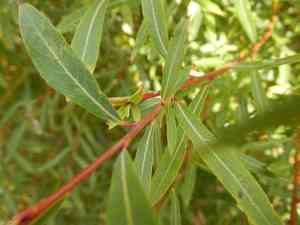
Purple willow is frequently utilized in landscaping for its decorative value. Its slender branches and gracefully arching form create a visually pleasing effect, adding elegance to gardens and parks. It's often chosen for its vibrant colors that shift throughout the year, providing beauty in every season.
Design Adaptability
Purple willow is incredibly versatile in landscape designs. It can be shaped into hedges, used as a focal point, or even trained to grow into unique garden structures like arches and tunnels. This flexibility makes it a popular choice for both residential and commercial settings.
How Does Purple willow Support Wildlife and Biodiversity?
Habitat Provision
Purple willow is more than just an attractive plant; it's a crucial habitat for various wildlife. Birds, insects, and small mammals find refuge and breeding grounds among its branches and leaves. The dense foliage offers protection and nesting sites, fostering a richer ecosystem.
Animal Food Source
Beyond offering shelter, Purple willow also serves as a food source. Various animals, including deer and rabbits, feed on its leaves and twigs. Additionally, the plant's blossoms attract pollinators like bees and butterflies, which are vital for maintaining pollination cycles in the environment.
What Are the Ecological Benefits of Purple willow?
Air Quality Enhancement
Purple willow plays a significant role in air purification. Through photosynthesis, it absorbs carbon dioxide and releases oxygen, thereby improving air quality. Additionally, it can capture dust and particulate matter on its leaves, contributing to cleaner air in urban environments.
Water Purification
Purple willow aids in maintaining water quality through its natural filtration capabilities. Its root system absorbs excess nutrients and pollutants from the soil and water, preventing them from entering water bodies. This natural filtration helps to keep aquatic ecosystems healthier and more balanced.
How Can Purple willow Be Propagated and Cared For?
Propagation Methods
Purple willow can be easily propagated via cuttings, making it an accessible plant for gardeners. Cut fresh sections from the parent plant, ensuring each cut contains several nodes, and plant them in moist soil. Under suitable conditions, these cuttings will root quickly and begin to grow.
Care Guidelines
Maintaining Purple willow is relatively straightforward. It requires consistent watering, especially during its initial growth phase. Once established, it is fairly drought-resistant but still benefits from occasional deep watering. Pruning is essential to maintain its form and encourage new growth, typically performed in late winter or early spring.



