The Pauper's-tea Plant Advantage: Maximizing Home and Office Appeal and Wellness
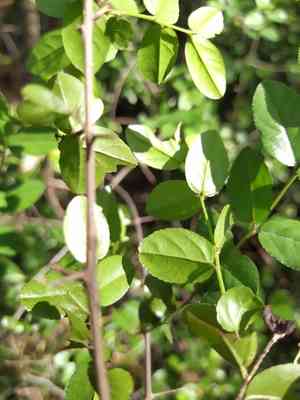
1
Pauper's-tea is recognized for its ability to withstand dry conditions, making it ideal for gardens requiring minimal upkeep.
2
This botanical specimen enhances any outdoor space with its evergreen leaves throughout the year.
3
Beyond its visual appeal, Pauper's-tea provides several functional advantages, such as preventing soil erosion.
Why Select Pauper's-tea for Your Garden?
Visual Charm and Perpetual Greenery
A key attribute of Pauper's-tea is its consistent green foliage throughout the year. Unlike many plants that may discolor or shed leaves with seasonal changes, Pauper's-tea maintains its lush and vibrant appearance year-round. This makes it an excellent option for anyone aiming to add a continuous touch of green to their garden or outdoor space.
Minimal Upkeep Requirements
Pauper's-tea is notably resistant to drought, meaning it needs very little water once rooted. This makes it an ideal choice for busy individuals or those residing in areas with water restrictions. Furthermore, its robust nature implies it is less vulnerable to illnesses and pests, reducing the necessity for chemical treatments and constant attention.
Practical Advantages of Growing Pauper's-tea
Soil Stabilization
One of the less obvious but highly valuable benefits of cultivating Pauper's-tea is its capacity to stabilize soil. Its extensive root system aids in preventing erosion, making it a good selection for areas prone to soil degradation. This characteristic is particularly advantageous for slopes or other susceptible landscapes.
Environmental Contributions
Pauper's-tea not only enhances your surroundings but also positively impacts the environment. It functions as a significant carbon sink, assisting in absorbing CO2 from the atmosphere. Additionally, it offers refuge and habitat for various forms of wildlife, fostering local biodiversity.
How to Incorporate Pauper's-tea into Your Lifestyle
Perfect for Urban Environments
Urban gardening has gained immense popularity, and Pauper's-tea is an excellent candidate for city dwellers seeking to introduce some greenery into their living spaces. Its compact size and low maintenance needs make it suitable for balconies, terraces, and small gardens. It can even flourish in containers, allowing you to bring a piece of nature indoors.
Landscape Design Applications
Due to its aesthetic appeal and practical advantages, landscape designers frequently integrate Pauper's-tea into their projects. Its adaptable nature allows it to be utilized as a hedge, a standalone ornamental plant, or a filler in mixed plantings. Whether you're designing a formal garden or a more casual landscape, Pauper's-tea can complement various styles and themes.
Caring for Pauper's-tea
Soil and Hydration Needs
Pauper's-tea thrives in well-drained soils and doesn't require extensive watering once established. However, during the initial planting phase, it's crucial to keep the soil moderately moist to encourage root development. Afterward, it can endure periods of drought, making it an excellent option for gardeners seeking low-maintenance choices.
Pruning and Upkeep Advice
Minimal pruning is necessary to keep Pauper's-tea looking its best. Occasional trimming will help maintain its form and stimulate new growth. If it's being used as a hedge, regular pruning can help achieve a dense, uniform appearance. Despite its low maintenance, routine checks for any signs of pests or disease can help ensure it remains healthy.
Potential Difficulties and Solutions
Pest and Disease Management
While Pauper's-tea is generally resistant to many common plant diseases and pests, occasional issues may arise. Regularly inspecting the plant for any signs of trouble and employing organic treatments when necessary can help keep it thriving.
Climate Considerations
Pauper's-tea is adaptable to various climates, but extreme conditions can present challenges. In locations with very harsh winters, providing some protection, like mulching around the base, can help it survive. Conversely, in extremely hot climates, occasional deep watering can ensure it doesn't become too stressed.



