The Sugarcane plume grass Plant Advantage: Maximizing Home and Office Appeal and Wellness
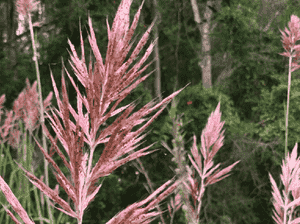
1
This botanical specimen is recognized for its rapid development and adaptability across diverse environmental conditions.
2
It serves a vital function in securing soil and mitigating land degradation.
3
Its organic matter can be harnessed for power generation and various manufacturing uses.
Environmental Significance of Sugarcane Plume Grass
Ground Stabilization and Erosion Prevention
A key ecological advantage of Sugarcane plume grass is its capacity to stabilize soil. Its extensive root network firmly anchors the earth, making it less vulnerable to erosion. This is especially beneficial in areas prone to land degradation and mudslides. By cultivating Sugarcane plume grass, communities can effectively lessen the impact of natural calamities and foster healthier soil conditions.
Fostering Biodiversity
The dense foliage and robust structure of Sugarcane plume grass create a flourishing habitat for various bird species, insects, and small mammals. This plant serves as both a dwelling and a food source, contributing to enhanced biodiversity. In turn, a diverse ecosystem is more resilient and better equipped to withstand ecological shifts and disturbances.
Agricultural Benefits of Sugarcane Plume Grass
Enhancing Soil Fertility
In agricultural settings, Sugarcane plume grass plays a crucial role in improving soil quality. Its decomposed organic matter enriches the soil, supplying vital nutrients that support the growth of other crops. Farmers frequently incorporate Sugarcane plume grass into crop rotation systems to revitalize the soil and boost subsequent agricultural yields.
Natural Pest Management
Beyond soil enrichment, Sugarcane plume grass can also function as a natural method of pest control. The plant's physical characteristics deter certain pests, reducing the necessity for chemical pesticides. This not only cuts costs for farmers but also promotes more sustainable farming practices, fostering a healthier environment.
Industrial Applications of Sugarcane Plume Grass
Bioenergy Production
Industrially, a primary use of Sugarcane plume grass is in the generation of biomass energy. The plant's high cellulose content makes it an excellent source of bioenergy. When processed, it can yield biofuels and other forms of renewable energy, contributing to sustainable energy solutions and decreasing reliance on fossil fuels.
Material Manufacturing
Additionally, Sugarcane plume grass can be utilized in the production of various materials. Its strong fibers are suitable for making paper, cardboard, and even biodegradable plastics. These applications not only leverage the plant's physical attributes but also align with environmentally conscious manufacturing practices.
Sugarcane Plume Grass in Landscaping and Aesthetics
Ornamental Uses
Sugarcane plume grass is not only practical but also visually appealing. Its tall, elegant plumes add aesthetic interest to landscapes and garden designs. Whether used as a focal point or combined with other plants, Sugarcane plume grass enhances the visual charm of any area.
Urban Ecosystem Services
In urban environments, Sugarcane plume grass can provide essential ecosystem services, such as improving air quality and offering shade. These advantages are particularly valuable in cities where green spaces are limited. By integrating Sugarcane plume grass into urban planning, municipalities can create more livable, sustainable environments for residents.



