The Brown-eyed susan Plant Advantage: Maximizing Home and Office Appeal and Wellness
1
Rudbeckia hirta draws helpful pollinators to your outdoor space.
2
It offers a notable visual element to any setting with little upkeep.
3
Rudbeckia hirta is capable of flourishing in diverse ground types.
Why Consider Cultivating Brown-eyed Susan?
Luring Beneficial Pollinators
Brown-eyed Susan is renowned for its capacity to draw in various helpful pollinators, such as bees, butterflies, and hummingbirds. Its vibrant, cheerful blossoms act as a lure, attracting these pollinators to your garden. This not only aids in the self-pollination of Brown-eyed Susan but also enhances the overall health and output of your garden by fostering the pollination of other flora. A well-pollinated garden signifies increased fruit and seed production, fostering a flourishing and dynamic ecosystem.
Minimal Upkeep and Resilience
One of the most appealing features of Brown-eyed Susan is its undemanding care requirements. This robust plant can adapt to diverse soil conditions, from clay to loam, and can withstand both dry spells and periods of moisture. Once established, Brown-eyed Susan needs little watering and is largely resistant to pests, making it an excellent choice for gardeners who prefer a low-effort plant that still delivers significant visual impact. Its ability to endure varied environmental conditions ensures its consistent presence in your garden year after year.
How Can Brown-eyed Susan Enhance Your Landscape?
Visual Appeal and Aesthetic Value
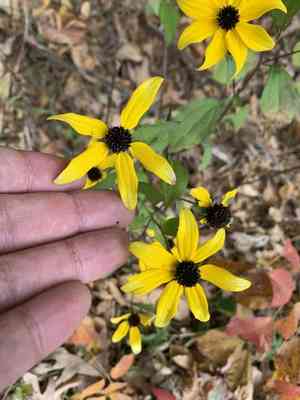
The vivid yellow petals and dark brown centers of Brown-eyed Susan flowers create a striking visual contrast that can elevate any garden landscape. Whether utilized as a focal point or as part of a mixed border, Brown-eyed Susan introduces a burst of color that can brighten garden spaces. The plant's bushy growth habit also makes it perfect for filling in gaps and providing a fuller, more unified appearance to your garden. Incorporating Brown-eyed Susan into your landscape design can result in aesthetically pleasing arrangements that evolve throughout the growing season.
Adaptability in Garden Environments
Brown-eyed Susan is highly adaptable and can be integrated into various garden settings. It can be used in traditional garden beds, mixed perennial borders, or even as a component of a native plant garden. Due to its flexibility, Brown-eyed Susan can thrive in both sunny and partially shaded areas, making it a versatile option for different garden layouts. Furthermore, its ability to self-seed means that Brown-eyed Susan can naturally spread and occupy spaces, ensuring your garden remains lush and vibrant with minimal intervention. This versatility extends to container gardening as well, where Brown-eyed Susan can be cultivated in pots and planters to adorn patios, balconies, and other compact areas.
What Are the Ecological Advantages of Brown-eyed Susan?
Fostering Biodiversity
Introducing Brown-eyed Susan to your garden can significantly contribute to promoting biodiversity. By attracting a range of pollinators and offering a nectar source, Brown-eyed Susan helps sustain vital insect populations. These insects, in turn, support a healthy food web by serving as sustenance for birds and other wildlife. The presence of Brown-eyed Susan thus creates a more balanced and diverse ecosystem in your garden, leading to a more resilient and self-sustaining environment.
Soil Improvement and Erosion Prevention
Beyond its aesthetic and ecological benefits, Brown-eyed Susan also plays a role in enhancing soil health and preventing erosion. The plant's robust root system helps stabilize the soil, reducing the risk of erosion caused by wind and water. Additionally, as the plant decays, it adds organic matter to the soil, improving its structure and fertility. This natural enhancement of soil quality can lead to better water retention and nutrient availability for other plants in your garden, fostering a more sustainable growing environment.
What Are the Optimal Practices for Cultivating Brown-eyed Susan?
Ideal Planting Conditions
To maximize the potential of your Brown-eyed Susan plants, it's crucial to understand their optimal growing conditions. Brown-eyed Susan thrives in well-drained soil with a neutral to slightly acidic pH. While it can tolerate partial shade, it performs best in full sun, where it can produce the most abundant and vibrant blooms. Planting Brown-eyed Susan in a location that receives at least six hours of direct sunlight daily will ensure optimal growth and flowering.
Seasonal Care and Maintenance
Despite its low-maintenance nature, Brown-eyed Susan benefits from some seasonal care to keep it looking its best. Removing spent flowers can encourage more blooms and prevent the plant from becoming leggy. In the autumn, cutting back the plant to the ground can help promote healthy regrowth in the spring. Additionally, dividing the plants every few years can prevent overcrowding and maintain their vigor. Applying a light mulch in the summer can help retain moisture and keep the roots cool, particularly in hotter climates.



