The Black-eyed susan Plant Advantage: Maximizing Home and Office Appeal and Wellness
1
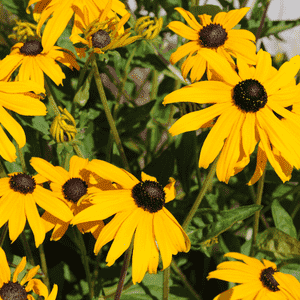
Rudbeckia hirta is an excellent choice for drawing in beneficial insects such as bees and butterflies.
2
This plant requires minimal care and can flourish in diverse soil types.
3
Its striking yellow flowers bring a lively hue to any outdoor space.
Why Plant Black-eyed Susan?
Boosting Biodiversity
Black-eyed Susan attracts pollinators, making it an excellent choice for increasing garden biodiversity. Bees, butterflies, and other beneficial insects are drawn to its bright flowers, which provide nectar and pollen. This benefits pollinators and promotes garden health by encouraging these important creatures.
Effortless Beauty
A key feature of Black-eyed Susan is its minimal upkeep. Once established, it tolerates various soil types and weather conditions, making it a versatile garden addition. Its drought resistance means less frequent watering, keeping your garden beautiful with little effort. Ideal for new and busy gardeners, it blooms consistently and brilliantly without demanding excessive care.
What Ecological Advantages Does Black-eyed Susan Offer?
Supporting Pollination
Black-eyed Susan is vital for supporting pollination in your garden ecosystem. Its bright flowers attract pollinators that aid in the reproduction of other plants, fostering natural growth cycles and contributing to a healthier garden. Pollinators like bees are crucial for many fruit and vegetable plants, so Black-eyed Susan can indirectly boost your crop yields.
Soil Enhancement
Black-eyed Susan's root system helps stabilize soil and prevent erosion. This is especially useful for sloped areas or gardens with heavy rainfall. Over time, organic matter from Black-eyed Susan can improve soil fertility, enriching the ground and enhancing its quality. This creates a more robust garden ecosystem supporting diverse plant species.
How Can Black-eyed Susan Improve Your Garden's Look?
Vibrant Blooms
Black-eyed Susan adds a burst of color to any garden with its bright yellow petals and dark centers. These vivid flowers can be a focal point in any landscape design, catching the eye and adding cheer to your outdoor space. They also suit various garden styles, from wildflower meadows to structured flower beds.
Planting Versatility
Whether you have a large garden or a small plot, Black-eyed Susan fits in perfectly. It can be planted in gardens, containers, or as part of a native plant garden. Its adaptability allows it to complement other plantings and create harmonious garden compositions. Plus, its extended blooming period ensures your garden stays colorful and lively for much of the growing season.
What Are the Growing Requirements for Black-eyed Susan?
Optimal Soil and Sunlight
Black-eyed Susan thrives in well-drained soil but adapts well to various soil types, from sandy to clay. While it prefers full sun, it can handle partial shade, making it suitable for different garden spots. For best growth, ensure it receives at least 6 hours of daily sunlight.
Watering and Feeding Needs
Being drought-tolerant, Black-eyed Susan doesn't need frequent watering once established. However, during long dry periods, occasional watering can maintain its vibrant blooms. For fertilization, a balanced, slow-release fertilizer applied in early spring can promote healthy growth, though it generally doesn't require heavy feeding.
How to Integrate Black-eyed Susan into Your Garden Design?
Companion Planting
Black-eyed Susan pairs well with other native wildflowers and perennials, creating a natural and low-maintenance garden. Consider planting it alongside asters, coneflowers, or ornamental grasses for a visually appealing and ecologically balanced garden bed.
Creating Wildlife Habitats
Beyond attracting pollinators, Black-eyed Susan provides seeds that birds enjoy, making it valuable for creating wildlife-friendly spaces. Including Black-eyed Susan in your garden can contribute to a thriving habitat where various species find food and shelter, enhancing biodiversity and ecological health.



