The Dyer's madder Plant Advantage: Maximizing Home and Office Appeal and Wellness
1
Dyer's madder provides a natural red pigment, making it useful for fabric manufacturing.
2
Its extensive root structure enhances the soil's condition.
3
Dyer's madder is recognized for its past application in traditional artistic and craft endeavors.
What Makes Dyer's Madder a Distinctive Plant?
Past Importance
Historically, Dyer's madder has been highly valued for its coloring properties. Civilizations globally have utilized this plant for centuries, especially for tinting textiles. It was a crucial commodity in ancient commerce, symbolizing affluence and expertise in fabric creation.
Botanical Traits
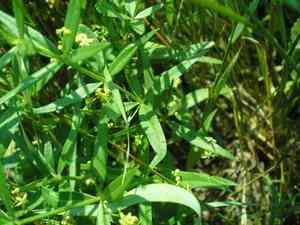
Botanically, Dyer's madder is a robust perennial that flourishes in temperate climates. Its characteristic deep red roots are the primary source of alizarin, the compound responsible for the rich red hues it imparts. The plant's climbing habit and small, star-shaped blossoms make it a visually appealing garden addition.
How Dyer's Madder Benefits the Environment
Soil Improvement
Dyer's madder possesses an extensive root system that penetrates deep into the earth, enhancing soil structure and increasing aeration. This deep rooting aids in preventing soil erosion and fostering nutrient cycling, making it advantageous for farming and gardening.
Supporting Biodiversity
By cultivating Dyer's madder, one contributes to greater biodiversity. It offers a habitat and food source for various insects, birds, and other wildlife. Gardens and farms growing Dyer's madder often observe increased pollinator activity, promoting a healthier ecosystem.
The Diverse Uses of Dyer's Madder
Natural Dye Creation
The primary application of Dyer's madder remains in the production of natural dyes. The extracted dye is employed in textile industries to create vibrant, eco-friendly fabrics. Unlike synthetic dyes, Dyer's madder-derived dyes are biodegradable and do not harm the environment, promoting sustainable fashion.
Crafts and Artistry
Artists and craft enthusiasts value Dyer's madder for its vivid and enduring color. Whether in pottery glazing, painting, or traditional fabric patterns, the natural dye extracted from Dyer's madder enhances creativity and preserves cultural heritage, particularly in regions where natural dyes are a traditional art form.
Why Select Dyer's Madder for Your Garden?
Low Upkeep and Resilience
Dyer's madder is relatively simple to cultivate, requiring minimal care once established. Its resistance to pests and diseases makes it an excellent choice for organic gardening. Additionally, its ability to thrive in poor soil conditions makes it a versatile addition to various garden types.
Aesthetics and Practicality
Beyond its practical applications, Dyer's madder adds aesthetic value to gardens with its lush foliage and charming flowers. It can be trained to grow on trellises, fences, or as ground cover, enhancing visual appeal while serving functional purposes like natural shade or erosion control.
Future Prospects and Innovations
Research and Development
Ongoing research into Dyer's madder continues to reveal new applications and advantages. Scientists are exploring its potential in various fields, from sustainable agricultural practices to natural dye applications in modern industries. This research ensures that Dyer's madder remains relevant and beneficial in a rapidly changing world.
Economic Potential
The cultivation and processing of Dyer's madder present economic opportunities, particularly in rural areas. By investing in Dyer's madder farming and natural dye production, communities can create jobs, promote sustainable practices, and contribute to local economies. This aspect underscores the plant's role not only in environmental sustainability but also in socio-economic development.



