The Climbing rose Plant Advantage: Maximizing Home and Office Appeal and Wellness
1
Climbing rose is celebrated for its capacity to enhance the beauty of any outdoor space.
2
This plant fosters local ecological diversity by drawing in beneficial insects like bees and butterflies.
3
It needs little upkeep, making it a superb option for those new to gardening.
How Does Climbing rose Enhance Your Garden's Aesthetics?
Visual Appeal
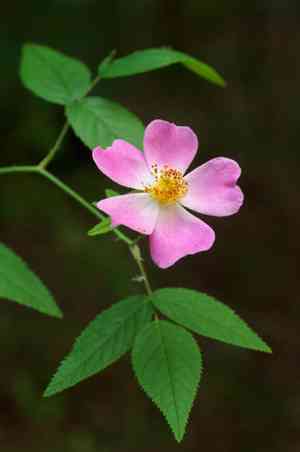
Climbing rose is renowned for its striking blooms and abundant foliage, making it a prominent feature in any garden. Its vibrant flowers, often in shades from pink to red, create a captivating visual impact, especially when trained on trellises, fences, or walls. This plant's capacity for vertical growth also optimizes space, allowing gardeners to maximize smaller areas.
Seasonal Beauty
Another benefit of Climbing rose is its capacity to provide year-round attractiveness. While its main flowering period is typically summer, the plant's leaves and structure continue to offer visual interest during other seasons. This enduring beauty ensures your garden remains charming and lively throughout the year.
What Role Does Climbing rose Play in Supporting Biodiversity?
Attracting Pollinators
One of the notable advantages of Climbing rose is its function in drawing in vital pollinators like bees and butterflies. These pollinators are crucial for maintaining healthy ecosystems and fostering plant reproduction. By incorporating Climbing rose into your garden, you can support the local population of these essential insects, contributing to overall biodiversity.
Providing Habitats
Climbing rose offers more than just sustenance for pollinators; it also furnishes refuge and breeding grounds for various small creatures and insects. Its dense foliage and thorny stems make it an ideal dwelling for birds and other wildlife, nurturing a flourishing mini-ecosystem within your garden.
Is Climbing rose a Low-Maintenance Plant?
Ease of Care
Gardeners of all experience levels will appreciate that Climbing rose requires relatively little upkeep. It thrives in well-drained soil and needs minimal watering once established. Pruning is straightforward and typically performed to shape the plant or remove dead wood. This simplicity of care makes Climbing rose perfect for both experienced horticulturists and gardening novices.
Disease Resistance
Another advantage of Climbing rose is its resilience to common plant ailments. While no plant is entirely impervious to pests and diseases, Climbing rose generally displays strong hardiness, reducing the need for chemical treatments. This robustness enhances its appeal as a sustainable and eco-friendly choice for your garden.
How Can Climbing rose Be Utilized in Garden Design?
Vertical Gardening
One of the most compelling applications of Climbing rose is in vertical gardening. By training this plant to ascend structures, gardeners can create strikingly beautiful upright displays. This method not only enhances the garden's aesthetic appeal but also conserves space, making it ideal for urban gardens or smaller outdoor areas.
Natural Barriers
Climbing rose can also be employed to form natural screens or privacy hedges. Its dense growth habit and climbing capability make it perfect for establishing secluded garden areas or boundaries. This utility adds an extra layer of functionality to its already impressive list of benefits.
Why Choose Climbing rose for Your Garden?
Environmental Benefits
Selecting Climbing rose for your garden is not merely an aesthetic choice but also an environmentally conscious one. This plant helps improve air quality by capturing pollutants and producing oxygen. Furthermore, its presence in your garden supports local wildlife, contributing to a healthier ecosystem.
Long-Term Rewards
Finally, Climbing rose provides enduring benefits that extend beyond its immediate visual and ecological advantages. Once established, this robust plant continues to grow and flourish with minimal human intervention, offering years of enjoyment and ecological contribution with little ongoing effort. It's an investment in both the beauty and health of your garden.



