The Sugar Bush Plant Advantage: Maximizing Home and Office Appeal and Wellness
1
Sugar Bush effectively prevents soil erosion on inclines through its widespread root network.
2
This plant supplies crucial living space and sustenance for native fauna.
3
Sugar Bush tolerates dry conditions exceptionally well, making it perfect for water-wise landscaping.
How Does Sugar Bush Aid in Preventing Soil Loss?
Root System and Ground Stability
A key advantage of Sugar Bush is its extensive root network, which is vital for securing soil. The plant's roots spread deeply and widely, forming a natural mesh that anchors the soil and prevents erosion on inclines and banks. This feature makes Sugar Bush especially valuable in areas prone to soil degradation, such as hillsides and riverbanks.
Erosion Management in Landscaping
In garden design, Sugar Bush's soil retention qualities are utilized to safeguard delicate garden features and maintain ground integrity. Planting Sugar Bush in areas with loose or unstable soil not only helps prevent erosion but also fosters healthier long-term growth by enriching the soil with organic matter.
What Animals Benefit from Sugar Bush?
Avian Species and Pollinating Insects
The Sugar Bush plant serves as a crucial habitat and food source for various birds and pollinators. Its blossoms attract a wide array of pollinators, including bees and butterflies, which are essential for sustaining biodiversity. Additionally, birds consume its berries, providing them with a nutrient-rich food supply, particularly during colder months.
Cover and Nesting Locations
Beyond providing sustenance, Sugar Bush offers excellent cover and nesting spots for numerous bird species. Its dense foliage provides protection from predators and harsh weather, supporting a healthy and diverse ecosystem in your garden or natural space.
Is Sugar Bush Suitable for Arid Regions?
Drought Resilience and Water Conservation
One of Sugar Bush's prominent characteristics is its remarkable ability to withstand drought. This plant needs minimal watering once established, making it an ideal choice for xeriscapingâa landscaping approach that reduces or eliminates the need for supplementary irrigation. By incorporating Sugar Bush into your garden, you can significantly decrease water usage and contribute to more sustainable gardening practices.
Adaptation to Dry Climates
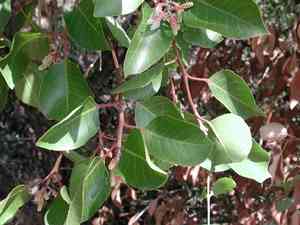
Sugar Bush is well-suited to flourish in arid and semi-arid environments. Its thick, waxy leaves help retain moisture, enabling the plant to endure extended dry periods. This hardiness not only makes Sugar Bush an excellent option for dry regions but also contributes to its low-maintenance nature, as it requires little to no irrigation once established.
Can Sugar Bush Improve Your Garden's Appearance?
Aesthetic Appeal
Sugar Bush is not only beneficial for its ecological impact but also adds significant visual appeal to any landscape. Its evergreen foliage provides year-round greenery, while its seasonal flowers and berries add vibrant bursts of color. These visual attributes make Sugar Bush an excellent choice for gardeners seeking to enhance the beauty of their outdoor areas.
Landscape Design Adaptability
The versatility of Sugar Bush makes it suitable for various landscape designs. Whether used as a focal point in a native plant garden, integrated into a mixed shrub border, or planted on a slope for erosion control, Sugar Bush seamlessly fits into diverse gardening styles and settings.
Does Sugar Bush Offer Any Other Advantages?
Minimal Upkeep Requirements
One of the additional benefits of Sugar Bush is its low maintenance needs. The plant is relatively pest-resistant and does not require frequent pruning or fertilization, making it an easy-care option for busy gardeners. Its natural resilience means that once established, Sugar Bush can thrive with minimal human intervention.
Cultural and Historical Importance
Sugar Bush has been utilized by various indigenous cultures for centuries. While this article does not delve into specific uses, the historical and cultural significance of Sugar Bush can enrich our understanding and appreciation of this plant.



