The Lemonade Berry Plant Advantage: Maximizing Home and Office Appeal and Wellness
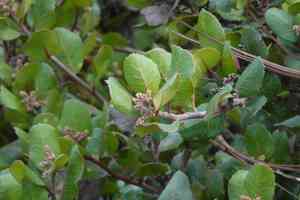
1
Lemonade Berry yields edible fruits suitable for diverse cooking applications.
2
This plant is perfect for indigenous garden designs given its ability to withstand dry conditions.
3
Lemonade Berry provides environmental advantages, aiding local fauna and beneficial insects.
Why Cultivate Lemonade Berry?
Visual Appeal
Lemonade Berry showcases vibrant, evergreen foliage and appealing fruits, making it a splendid addition to any garden. Its year-round beauty offers both shade and color, enhancing the overall charm of outdoor spaces.
Adaptability in Use
The fruits of Lemonade Berry can be utilized to craft a tart, invigorating drink, akin to lemonade. Furthermore, the plant's branches and leaves find application in various traditional customs, rendering it a versatile asset for any household.
Understanding Its Environmental Advantages
Aridity Tolerance
Lemonade Berry naturally resists drought, making it an excellent selection for regions prone to dry spells. This characteristic reduces the need for frequent irrigation, thereby conserving waterâa vital resource in many areas.
Supporting Local Fauna
The fruits and blossoms of Lemonade Berry serve as crucial food sources for indigenous birds and pollinators. By cultivating Lemonade Berry in your garden, you contribute to the sustenance and diversity of your local ecosystem.
How Lemonade Berry Can Enhance Your Landscape?
Minimal Upkeep Requirements
A key attribute of Lemonade Berry is its low-maintenance nature. The plant demands minimal pruning, and with its inherent resistance to pests and diseases, it can flourish without constant chemical interventions.
Erosion Prevention
Lemonade Berry possesses a robust root system capable of stabilizing soil and preventing erosion. This proves particularly advantageous for sloped terrains where soil degradation might otherwise be an issue.
Integrating Lemonade Berry into Culinary Creations
Crafting Beverages
The berries can be harvested and employed to create a variety of drinks, with a tangy lemonade-like beverage being the most popular. The process is straightforward, requiring minimal ingredients and effort to produce a refreshing drink.
Gastronomic Dishes
Beyond drinks, Lemonade Berry's fruits can be incorporated into sauces, preserves, and desserts. Their distinct flavor adds a unique twist to everyday recipes, making them a favorite among culinary professionals and home cooks alike.
Common Inquiries Regarding Lemonade Berry
Is Lemonade Berry Suitable for City Environments?
Absolutely. The plant adapts well to urban settings, providing both aesthetic and practical benefits. It can be planted in small garden beds or large containers, making it a flexible option for city gardening.
What are Optimal Growing Conditions?
Lemonade Berry thrives in well-drained soil and prefers full sun to partial shade. While it is drought-tolerant, occasional watering during extended dry periods will help maintain its vibrant appearance. Fertilization is generally not required, making it an easy-to-grow plant.
Best Practices for Planting and Care
Planting Advice
When planting Lemonade Berry, excavate a hole twice the width of the root ball but no deeper. Backfill with native soil and water thoroughly. Applying mulch around the base can help retain moisture and suppress weeds.
Ongoing Maintenance
While Lemonade Berry is low-maintenance, periodic checks for pests and diseases are advisable. Prune selectively to maintain its form and remove any damaged or dead branches. During the initial year, providing extra water can aid the plant in establishing a strong root system.



