The Smooth sumac Plant Advantage: Maximizing Home and Office Appeal and Wellness
1
Smooth sumac exhibits notable antioxidant characteristics.
2
Smooth sumac foliage is frequently utilized for organic colorants.
3
Smooth sumac aids local fauna by offering sustenance and shelter.
What Are the Nutritional Advantages of Smooth sumac?
Abundant Source of Antioxidants
Smooth sumac is well-known for its elevated concentration of antioxidants. These organic compounds are vital in neutralizing detrimental free radicals within the body, which can lessen oxidative stress and contribute to overall well-being. Regular intake of antioxidant-rich plants is linked to reduced risks of chronic illnesses and improved cellular regeneration.
Contains Essential Vitamins and Minerals
Another significant advantage of Smooth sumac is its nutrient composition. It includes crucial vitamins like Vitamin C and minerals such as calcium and potassium, which are essential for maintaining good health. These nutrients aid in supporting immune function, bone strength, and other physiological processes.
How Does Smooth sumac Contribute to Environmental Sustainability?
Erosion Control and Soil Health
One of the most notable environmental benefits of Smooth sumac is its capacity to manage soil erosion. The plant's extensive root system stabilizes the ground, preventing erosion and fostering soil vitality. This characteristic is particularly advantageous in regions susceptible to soil degradation, as it helps preserve the landscape's integrity.
Supports Local Wildlife
Smooth sumac is an important plant for local ecosystems, offering sustenance and refuge for various wildlife species. Birds and small mammals frequently consume its berries, while its dense foliage provides a secure habitat. By fostering biodiversity, Smooth sumac plays a crucial role in maintaining ecological equilibrium.
What Are the Practical Applications of Smooth sumac?
Natural Dye Production
The leaves and bark of Smooth sumac can be utilized to create natural dyes. These dyes are highly sought after for environmentally friendly textile manufacturing, providing vibrant hues without the typical environmental impact of synthetic dyes. The use of natural dyes is gaining traction in sustainable fashion circles.
Traditional Crafting Material
Smooth sumac has been employed for centuries in traditional crafts. Indigenous American communities, for instance, use the plant's stems and leaves for basket weaving and other handcrafted items. This practice not only preserves cultural heritage but also promotes sustainability by using biodegradable materials.
How Can Smooth sumac Be Incorporated into Landscaping?
Aesthetic Appeal
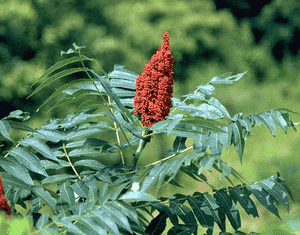
Smooth sumac is frequently used in landscaping due to its visual attractiveness. The plant showcases vibrant red foliage in the autumn, adding a burst of color to gardens and parks. Its appealing appearance makes it a favorite among landscapers aiming to enhance visual charm.
Low Maintenance Requirements
One of the practical benefits of Smooth sumac in landscaping is its minimal upkeep needs. The plant is robust and drought-tolerant, making it a suitable option for areas with limited water resources. Its ability to thrive with little care makes it an efficient and sustainable choice for outdoor spaces.
Cultural Significance and Traditional Uses of Smooth sumac
Historical Importance
Smooth sumac holds historical importance, especially among Indigenous cultures in North America. It has been traditionally used for various purposes, including food, medicine, and ceremonial practices. This historical context highlights the plant's multifaceted value.
Present-Day Applications
In contemporary times, Smooth sumac continues to be valued for its numerous applications. It is utilized in natural remedies, crafting, and even culinary practices. Understanding its traditional and modern uses enables individuals to fully appreciate the plant's cultural and ecological significance.



