The Live oak Plant Advantage: Maximizing Home and Office Appeal and Wellness
1
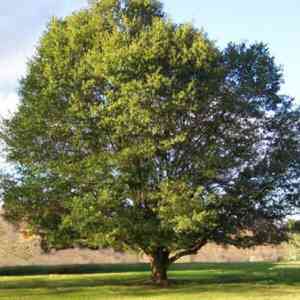
Live oak offers excellent shade because of its broad, sprawling limbs.
2
The timber from Live oak is exceptionally strong and resists rot.
3
Live oak sustains native wildlife, providing shelter and sustenance.
Why is Live oak Important for Your Environment?
Providing Exceptional Shade
Live oak is notable for its expansive canopy, making it an outstanding shade tree. Its dense foliage creates a localized climate beneath, significantly lowering temperatures on warm days. This shade can substantially decrease cooling expenses for nearby homes and structures. Furthermore, shaded areas under Live oak tend to retain more soil moisture, benefiting adjacent plants and reducing water loss.
Durability and Longevity
A primary characteristic of Live oak is its impressive resilience. Its timber is renowned for its strength and resistance to decay, making it valuable for construction and furniture production. This enduring quality ensures Live oak can persist for centuries, often becoming historic landmarks and offering generations of ecological services.
How Does Live oak Support Biodiversity?
Habitat for Wildlife
Live oak plays a crucial role in sustaining local wildlife. Its branches and hollows provide nesting sites for birds, refuge for small mammals, and breeding grounds for various insects. The fallen leaves also enrich the organic matter on the ground, fostering a thriving habitat for decomposers.
A Source of Food
Live oak produces acorns that are a vital food source for many animals, including squirrels, deer, and various bird species. These acorns are nutrient-rich and help sustain wildlife during challenging seasons. The tree's blossoms also offer nectar for pollinators, contributing to the health of surrounding plant life.
What Are the Practical Uses of Live oak?
Landscaping and Aesthetics
In landscaping, Live oak is valued for its majestic appearance and the substantial shade it provides. Its broad canopy and timeless beauty make it a favorite in parks, large gardens, and historic settings. Incorporating Live oak into your landscape design can enhance aesthetic appeal and offer long-term ecological advantages.
Erosion Control
Live oak is effective at stabilizing soil, especially in areas prone to erosion. Its extensive root system helps bind the soil, lessening the impact of wind and water erosion. This feature is particularly valuable in coastal regions and areas with loose, sandy soils.
How Does Live oak Contribute to Human Well-being?
Improving Air Quality
Live oak significantly contributes to air purification. Its leaves absorb pollutants such as carbon dioxide, sulfur dioxide, and nitrogen oxides, helping to enhance air quality. Additionally, the photosynthetic process releases oxygen, benefiting the respiratory health of nearby communities.
Promoting Mental Health
Nature profoundly impacts mental health, and Live oak, with its serene beauty and presence, fosters a sense of well-being. Green spaces featuring Live oak provide residents with peaceful environments conducive to relaxation and stress reduction. Studies indicate that spending time near trees like Live oak can lower stress levels and improve mood.



