The Cork oak Plant Advantage: Maximizing Home and Office Appeal and Wellness
1
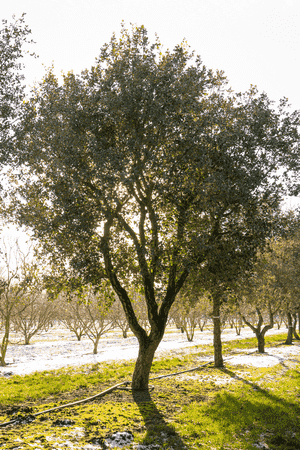
Cork oak is celebrated for its sustainable and environmentally friendly characteristics, making it highly prized across diverse sectors.
2
The outer layer of Cork oak is widely utilized to create cork, a material that is both biodegradable and recyclable.
3
Cork oak supports forest biodiversity and offers a home for numerous species, thereby fostering ecological equilibrium.
Why is Cork Oak Environmentally Sound?
Sustainable Harvesting Method
A key characteristic of Cork oak is its environmentally friendly harvesting process. Unlike other trees, its bark can be removed without harming the tree itself. This gentle approach allows the tree to continue thriving, and the bark can be re-harvested every 9 to 12 years. This recurring cycle ensures a renewable resource, minimizing ecological impact.
Carbon Absorption
Cork oak woodlands are vital for sequestering carbon. As these trees mature, they absorb atmospheric carbon dioxide and store it within their biomass. This natural process helps combat climate change by lowering greenhouse gas levels. Furthermore, cork products derived from the bark continue to store carbon, aiding in carbon sequestration efforts.
How Does Cork Oak Support Biodiversity?
Wildlife Habitat
Cork oak forests offer a home to a diverse array of species, including birds, insects, and mammals. The unique structure of these forests, with their open canopies and rich undergrowth, supports varied ecosystems. This biological diversity is crucial for maintaining ecological balance and resilience against environmental shifts.
Promoting Native Plants
Cork oak forests foster various plant species that flourish in their specific environment. These indigenous plants contribute to the overall health of the ecosystem by improving soil fertility, preventing erosion, and providing food and shelter for wildlife. The conservation and nurturing of native flora are essential for preserving the genetic diversity and ecological integrity of the region.
Why is Cork Oak a Versatile Industrial Material?
Cork Production
The primary industrial application of Cork oak is in cork manufacturing. Cork is extracted from the bark and processed into various items, including wine stoppers, flooring, and insulation materials. Cork is highly valued for its distinct properties, such as being lightweight, elastic, and impermeable. These qualities make it a sought-after material across different industries.
Eco-friendly Packaging
Beyond cork, Cork oak is also utilized in environmentally conscious packaging solutions. Cork and its by-products are biodegradable and recyclable, offering a sustainable alternative to plastic and other synthetic materials. This emphasis on environmental sustainability aligns with increasing consumer demand for eco-aware products, further boosting Cork oak's popularity in the packaging sector.
How Does Cork Oak Improve Soil Health?
Enhanced Soil Fertility
Cork oak plays a significant role in boosting soil fertility. The fallen leaves and organic matter from these trees enrich the soil with vital nutrients, promoting robust plant growth. The deep root systems of Cork oak also help to aerate the soil, improving its structure and water retention capabilities.
Reducing Soil Erosion
The strong root system of Cork oak effectively anchors soil, lessening the risk of erosion. This stabilization is particularly beneficial in areas prone to erosion from rainfall or wind. By preserving soil integrity, Cork oak helps protect the land, ensuring its suitability for agriculture and other uses.
What Are the Economic Advantages of Cork Oak?
Job Creation
The cultivation and processing of Cork oak create employment opportunities in rural and economically disadvantaged areas. From harvesting to manufacturing cork products, the entire supply chain provides livelihoods for numerous individuals, stimulating local economies and enhancing living standards.
Tourism and Agriculture
Cork oak forests are also appealing destinations for eco-tourism, attracting visitors interested in natural beauty and sustainable practices. Additionally, these forests support sustainable agricultural methods, such as agroforestry, where crops are grown alongside Cork oak, diversifying income sources for farmers and contributing to food security.



