The English oak Plant Advantage: Maximizing Home and Office Appeal and Wellness
1
Offers inherent shade and purifies the atmosphere.
2
Boosts regional biodiversity by sustaining diverse fauna.
3
Wood is greatly prized for its resilience and robustness.
Why Is English Oak an Excellent Choice for Your Garden?
Aesthetic Appeal
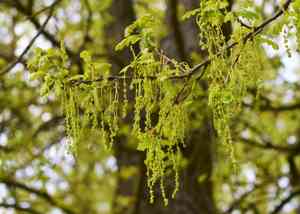
A primary reason homeowners and landscapers favor English oak is its impressive visual charm. With its grand size, expansive canopy, and vibrant green foliage, English oak serves as a focal point that can transform any garden into a tranquil and picturesque scene. The tree's acorns and distinct bark enhance its visual interest throughout the year, offering seasonal variation and natural beauty.
Environmental Benefits
Beyond its visual appeal, English oak provides numerous ecological advantages. It plays a significant role in reducing carbon dioxide levels, thereby improving air quality. The tree's large canopy offers shade, cooling the surrounding area and decreasing the need for artificial cooling systems. Additionally, English oak is crucial in preventing soil erosion, thanks to its extensive root system that stabilizes the ground.
How Does English Oak Support Wildlife and Biodiversity?
Habitat for Wildlife
English oak is well-known for its capacity to support a diverse array of wildlife. Birds, mammals, and insects all find shelter within its branches, leaves, and bark. The tree's acorns serve as a vital food source for many animals, while its dense foliage provides nesting sites. By planting English oak in your garden, you contribute to the preservation and enhancement of local biodiversity.
Promotes Ecosystem Balance
The presence of English oak in an ecosystem fosters a balanced and healthy environment. It supports various plant species by creating a microhabitat with its ample shade and nutrient-rich leaf litter. This, in turn, encourages a variety of flora and fauna to flourish, promoting a harmonious and resilient ecosystem.
What Are the Practical Uses of English Oak Timber?
Durability and Strength
One of the most valuable characteristics of English oak timber is its exceptional durability and strength. This makes it a preferred material for construction and furniture making. Its dense wood is resistant to rot and pests, ensuring that structures made from English oak timber have a long lifespan. Whether used for building homes, crafting high-quality furniture, or creating outdoor fixtures, English oak timber withstands the test of time.
Versatility in Craftsmanship
English oak timber is not only strong but also versatile, allowing craftsmen to create a wide variety of products. From intricate carvings to robust beams, the timber’s workability makes it suitable for both detailed designs and heavy-duty applications. Its natural grain and color also add a touch of elegance to any woodwork, making it a favorite among artisans and builders alike.
How to Care for and Maintain English Oak in Your Garden?
Planting and Soil Requirements
To fully enjoy the benefits of English oak, it's essential to plant it in the right conditions. English oak thrives best in well-drained soil with a slightly acidic to neutral pH. When planting, ensure the tree has ample space to grow, as it can reach substantial heights and widths. Proper spacing will also help prevent competition for nutrients and water with other plants.
Routine Maintenance
Maintenance of English oak involves regular watering, especially during its early years, to establish a strong root system. Mulching around the base helps retain soil moisture and reduce weed growth. Periodic pruning is also advisable to remove any dead or diseased branches, promoting healthier growth. Fertilization is generally not required, as English oak can adapt well to various soil conditions, but occasional soil testing can help address any nutrient deficiencies.



