The Dwarf chinquapin oak Plant Advantage: Maximizing Home and Office Appeal and Wellness
1
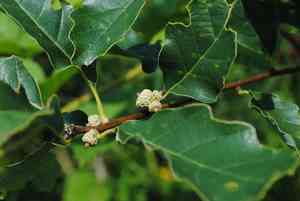
This plant is robust and tolerates dry conditions well, making it suitable for various landscapes.
2
It offers crucial shelter and sustenance for local fauna.
3
It requires minimal upkeep and features striking, appealing leaves.
Why Select Dwarf Chinquapin Oak for Your Garden?
Visual Charm and Landscape Applications
A primary reason to opt for Dwarf chinquapin oak is its undeniable visual appeal. This plant showcases attractive leaves that change color seasonally, bringing a dynamic and pleasing look to any landscape. Its compact size and form make it suitable for various garden styles, from formal designs to more naturalistic settings. Furthermore, it can be effectively utilized as a hedge or a solitary specimen, offering a versatile choice for gardeners.
Effortless Upkeep and Durability
Dwarf chinquapin oak is renowned for its minimal maintenance needs, making it an excellent option for both new and experienced gardeners. This plant is highly resistant to drought once established, and it thrives in diverse soil types, though it prefers well-drained ground. Its capacity to endure harsh conditions, including poor soil and aridity, makes it a robust addition to gardens and natural environments. Regular trimming helps maintain its shape and promotes healthy development, but otherwise, it demands little care.
How Does Dwarf Chinquapin Oak Benefit Local Ecosystems?
Supporting Wildlife
Dwarf chinquapin oak plays a vital role in sustaining local wildlife. Its blossoms attract pollinators like bees and butterflies, which contribute to the ecosystem's health and biodiversity. Additionally, its small acorns provide a valuable food source for various animals, including birds, squirrels, and deer. By incorporating Dwarf chinquapin oak into your landscape, you create a habitat that supports a variety of species, fostering ecological balance and biodiversity.
Erosion Control and Soil Health
The root system of Dwarf chinquapin oak is well-suited for preventing soil erosion, especially in areas prone to water runoff or wind erosion. By stabilizing the soil, it helps preserve the integrity of the landscape and prevents the loss of valuable topsoil. Moreover, this plant can enhance soil health over time. Its roots stimulate microbial activity, which improves soil fertility and structure. Consequently, Dwarf chinquapin oak can contribute to the overall health and sustainability of its planted environment.
What Are the Practical Uses of Dwarf Chinquapin Oak in Landscaping?
Windbreaks and Privacy Screens
Given its dense foliage and robust nature, Dwarf chinquapin oak is an excellent choice for establishing windbreaks and privacy screens. Planting Dwarf chinquapin oak along property boundaries or exposed areas can reduce wind speed, protecting other plants and creating a more comfortable outdoor space. It can also serve as a natural privacy barrier, shielding your garden or outdoor living area from view while adding aesthetic value.
Fire-Resistant Landscaping
In regions susceptible to wildfires, choosing fire-resistant plants is essential. Dwarf chinquapin oak is recognized for its fire-resistant qualities, making it a viable option for fire-wise landscaping. When properly maintained, it can help slow the spread of fire in garden settings, offering an additional layer of protection for your property. Integrating Dwarf chinquapin oak into fire-resistant landscaping designs helps create safer outdoor spaces without sacrificing beauty or ecological value.
How to Care for Dwarf Chinquapin Oak in Your Garden?
Planting and Soil Preferences
When planting Dwarf chinquapin oak, select a location with full sun to partial shade for optimal growth. Although it adapts to various soil types, ensuring well-drained soil will support its health and vigor. If your soil is heavy or clay-like, consider amending it with organic matter to improve drainage. Spring and fall are ideal times for planting, as moderate temperatures and moisture levels aid in establishment.
Watering and Fertilization
During its initial growth phase, Dwarf chinquapin oak requires consistent watering to establish its root system. Once mature, it becomes highly drought-tolerant and needs minimal supplementary irrigation. Applying a layer of mulch around the base can help retain soil moisture and regulate temperature. Fertilization is generally not necessary for Dwarf chinquapin oak; however, if your soil is particularly poor, a balanced, slow-release fertilizer can be applied in the spring to encourage growth.



