The Cherrybark oak Plant Advantage: Maximizing Home and Office Appeal and Wellness
1
Cherrybark oak flourishes in damp, rich earth, making it suitable for diverse environments.
2
Its timber is highly valued for its robustness and longevity in building.
3
Cherrybark oak offers superb living conditions for animals, fostering ecological variety.
Why Select Cherrybark Oak for Your Landscape?
Environmental Contributions
A key attribute of Cherrybark oak is its positive impact on the environment. It plays a crucial role in stabilizing soil, lessening erosion, and enhancing water quality. The extensive root system of Cherrybark oak helps secure the soil, preventing its displacement during heavy rainfall. Furthermore, Cherrybark oak can improve air quality by absorbing pollutants and releasing oxygen back into the atmosphere.
Supporting Wildlife
Cherrybark oak is an essential component of the ecosystem, offering sustenance and refuge for diverse wildlife species. The acorns produced by Cherrybark oak serve as a valuable food source for birds, deer, and other animals. Additionally, its dense leaves provide excellent nesting locations, making it a sanctuary for many bird species. By incorporating Cherrybark oak into your landscape, you contribute to local biodiversity and wildlife preservation.
What Are the Optimal Methods for Cultivating Cherrybark Oak?
Pruning Advice
Occasional trimming benefits Cherrybark oak, aiding in maintaining its form and removing any dead or diseased branches. Pruning should be conducted during the dormant period to minimize stress on the plant. Correct pruning techniques will encourage robust growth and ensure Cherrybark oak remains an attractive feature in your landscape.
Ideal Planting Conditions
To maximize the advantages of Cherrybark oak, it's vital to plant it in suitable conditions. Cherrybark oak thrives in moist, well-drained soils rich in organic matter. It prefers full sun to partial shade and should be planted in an area with ample room to expand. Providing sufficient space for its mature size will ensure Cherrybark oak can develop a strong root system and expansive canopy.
Regular Upkeep
While Cherrybark oak is relatively low maintenance, some routine care can ensure it remains healthy and vigorous. Consistent watering during the initial few years after planting is crucial for establishing a strong root system. Once established, watering can be reduced. Mulching around the base can help retain moisture and suppress weeds.
Economic and Practical Advantages
Valuable Lumber
Cherrybark oak is highly prized for its strong, durable wood, which is utilized in various applications, from furniture to flooring. Its timber is valued for its hardness and resistance to decay, making it a preferred choice for high-quality construction and woodworking projects. By cultivating Cherrybark oak, you can potentially benefit from its commercial value in the lumber industry.
Low Maintenance
Another significant benefit of Cherrybark oak is its minimal maintenance requirements. Once established, Cherrybark oak is relatively drought-tolerant and resistant to pests and diseases. This resilience makes it an excellent option for homeowners seeking a low-care addition to their garden. Minimal pruning and occasional watering are typically all that is needed to keep Cherrybark oak healthy and thriving.
How Does Cherrybark Oak Enhance Visual Appeal?
Beautiful Foliage
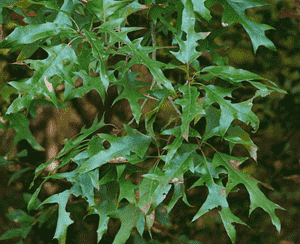
Cherrybark oak showcases striking leaves that change color with the seasons, offering visual interest throughout the year. In the spring and summer, its leaves are a vibrant green, creating a lush, natural canopy. Come autumn, the foliage transforms into brilliant shades of red and orange, providing a stunning display that enhances the beauty of any landscape.
Shade and Comfort
Beyond its aesthetic appeal, Cherrybark oak provides substantial shade, making outdoor areas more comfortable during hot weather. The canopy formed by Cherrybark oak can help lower temperatures and reduce the heat island effect in urban environments. This shading can also protect understory plants and reduce watering needs, contributing to a more sustainable garden.



