The Water oak Plant Advantage: Maximizing Home and Office Appeal and Wellness
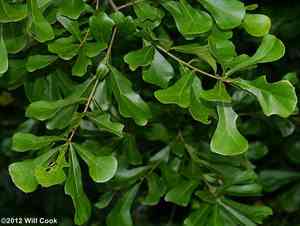
1
The water oak is a adaptable tree, thriving in various soil conditions.
2
Its extensive root structure aids in preventing soil degradation.
3
Water oak provides significant shade, making it an excellent choice for city environments.
What Makes Water oak Unique?
Adaptability to Various Conditions
Water oak is renowned for its remarkable capacity to adjust to diverse soil types and moisture levels. Whether encountering arid, sandy ground or more humid, clay-rich earth, this tree can flourish. Its versatility makes it an excellent option for different settings, from cityscapes to rural regions.
A Champion of Soil Health
A prominent characteristic of Water oak is its extensive root system. This feature not only ensures the tree's stability but also plays a vital role in preventing soil erosion. The roots help bind the soil, reducing the likelihood of landslides and washouts during heavy rains, making it a valuable asset in preserving land integrity.
Why Should You Plant Water oak in Urban Areas?
Shade and Cooling Effects
In urban environments, the importance of shade cannot be overstated. Water oak possesses a wide canopy that provides substantial shade, which can lower temperatures in the immediate vicinity. This cooling effect helps diminish the urban heat island phenomenon, making cities more comfortable during hot summer months.
Wildlife Habitat
Urban areas often struggle with maintaining biodiversity, but planting Water oak can help address this issue. The tree offers a habitat for various bird species, insects, and small mammals. This enhances the ecological diversity of the area and contributes to a healthier ecosystem.
How Does Water oak Benefit Agriculture?
Windbreaks and Shelterbelts
In agricultural settings, Water oak can be utilized as windbreaks and shelterbelts. Planting these trees around fields can help decrease wind speed, thereby limiting soil erosion and safeguarding crops from wind damage. This not only boosts crop yield but also contributes to long-term soil health.
Carbon Sequestration
Water oak plays a significant role in carbon sequestration, aiding in climate change mitigation. The tree absorbs carbon dioxide from the atmosphere and stores it in its biomass (trunks, branches, and leaves) as well as in the soil. By incorporating Water oak into agricultural landscapes, farmers can contribute to reducing greenhouse gases.
What Are the Visual and Aesthetic Benefits of Water oak?
Seasonal Beauty
Water oak offers year-round visual appeal. Its leaves change color with the seasons, providing a dynamic and ever-evolving landscape. This adds aesthetic value to properties, attracting homeowners and visitors alike.
Landscape Design
The tree's structure and form make it a valuable addition to landscape design. Its broad canopy and attractive foliage can be used to create focal points or serve as a backdrop for other plants. Landscape architects often use Water oak to enhance the visual appeal of parks, gardens, and residential properties.



