The Mongolian oak Plant Advantage: Maximizing Home and Office Appeal and Wellness
1
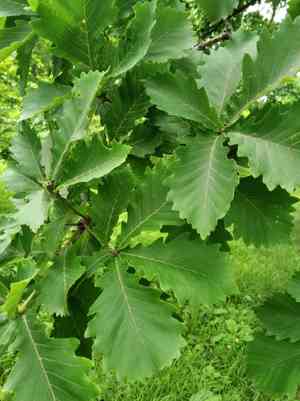
Quercus mongolica is a sturdy tree recognized for its versatility and hardiness.
2
This species enhances ground richness by naturally composting its foliage.
3
It offers refuge and sustenance to diverse animal life within your outdoor space.
What Makes Mongolian oak Special?
Adaptability and Resilience
A key characteristic of Mongolian oak is its capacity to thrive in diverse environmental conditions. It endures harsh winters, arid summers, and varied soil types with remarkable resilience. This trait makes it an excellent option for different climates, ensuring its longevity and requiring minimal upkeep from gardeners.
Contributing to Biodiversity
Mongolian oak plays a vital role in supporting local ecological diversity. Its acorns and leaves provide sustenance for numerous animals, including birds, squirrels, and deer. Furthermore, it offers a habitat for insects and smaller creatures, fostering a vibrant mini-ecosystem in your garden. Planting Mongolian oak can thus be seen as an investment in your area's ecological well-being.
How Does Mongolian oak Enhance Soil Quality?
Leaf Composting
The leaves of Mongolian oak serve as excellent composting material, decomposing into rich, nutrient-dense soil. This process not only lessens the need for chemical fertilizers but also improves soil structure and fertility. Gardeners can simply gather fallen leaves and add them to their compost piles or use them directly as mulch.
Natural Mulching
Beyond composting, Mongolian oak leaves can be directly applied as mulch around plants and garden beds. This organic mulch helps retain soil moisture, suppress weeds, and gradually release nutrients back into the soil as it breaks down. This makes Mongolian oak a valuable resource for sustainable gardening practices.
Why Choose Mongolian oak for Landscaping?
Aesthetic Appeal
Mongolian oak possesses a distinct beauty that can enhance any landscape. Its lush green summer foliage, striking autumn colors, and sturdy form make it a focal point in gardens and parks. Moreover, its ability to grow to a significant height provides a natural canopy, offering shade and an inviting atmosphere to outdoor areas.
Low Maintenance Needs
Compared to other ornamental and deciduous trees, Mongolian oak requires minimal upkeep. Its inherent resistance to pests and diseases means fewer interventions and treatments, making it an ideal choice for those seeking an attractive yet low-maintenance addition to their garden.
What Are the Practical Uses of Mongolian oak?
Timber and Woodcraft
Mongolian oak is valued not only for its ecological role but also for its high-quality timber. The wood is durable, dense, and visually appealing, making it perfect for furniture, flooring, and various woodworking projects. Its natural grain and color add a rustic charm to any wooden creation.
Firewood Source
In addition to its carpentry uses, Mongolian oak provides excellent firewood. Its wood burns slowly and produces consistent heat, making it a preferred choice for wood-burning stoves and fireplaces. Therefore, planting Mongolian oak can offer a long-term, renewable source of firewood.
How Can Mongolian oak Help in Erosion Control?
Root System Strength
Mongolian oak has a robust root system that aids in stabilizing soil and preventing erosion. When planted on slopes or in areas prone to soil movement, its roots help anchor the earth, reducing the risk of landslides and soil depletion. This makes Mongolian oak a strategic choice for eco-friendly landscape management.
Water Regulation
The presence of Mongolian oak can also assist in regulating water in the soil. Its roots not only prevent erosion but also enhance water infiltration, reducing surface runoff. This contributes to better water management in gardens and natural landscapes, supporting healthier plant growth and reducing water waste.



