The Swamp chestnut oak Plant Advantage: Maximizing Home and Office Appeal and Wellness
1
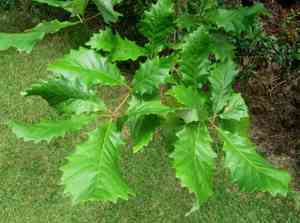
Swamp chestnut oak is greatly prized for its wood, recognized for its robustness and longevity.
2
Its acorns serve as a superb food supply for local fauna.
3
Swamp chestnut oak aids in preserving soil and fostering ecological variety.
What Are the Environmental Advantages of Swamp chestnut oak?
Soil Preservation and Erosion Prevention
Swamp chestnut oak plays a crucial role in soil preservation. Its extensive root network helps stabilize the ground, preventing erosion, particularly in areas prone to flooding. The roots bind soil particles, reducing topsoil loss and maintaining land fertility over time. This characteristic makes it an invaluable asset in riverside areas and wetlands.
Support for Biodiversity
The presence of Swamp chestnut oak in forests and wetlands significantly enhances biodiversity. Its canopy provides habitats for a wide array of plant and animal life, including birds, mammals, and insects. The leaves and branches offer shelter, while the acorns serve as a vital food source during colder months. This support helps maintain a balanced and thriving ecosystem.
How Does Swamp chestnut oak Benefit the Economy?
Premium Timber
Swamp chestnut oak is highly valued for its wood, known for its strength, durability, and resistance to decay. This makes it an excellent material for furniture, flooring, wine barrels, and various construction uses. The timber's aesthetic appeal also contributes to its high market demand, providing substantial economic returns to local communities involved in its sustainable harvesting.
Wildlife Management
The acorns produced by Swamp chestnut oak are a critical food source for wildlife, especially deer, turkeys, and squirrels. By supporting wildlife populations, Swamp chestnut oak indirectly benefits the hunting and wildlife observation industries. This contributes to local economies by attracting tourists and hunters, thereby creating employment opportunities and boosting revenue.
What Are the Societal Advantages of Swamp chestnut oak?
Learning Opportunities
Swamp chestnut oak offers numerous educational opportunities for schools and environmental organizations. By studying this plant, students and researchers can learn about ecology, conservation, and botany. Field trips and hands-on learning experiences with Swamp chestnut oak help foster a deeper understanding and appreciation of nature among young learners.
Recreational Activities
Parks and natural reserves featuring Swamp chestnut oak provide ideal locations for recreational activities such as hiking, bird-watching, and photography. These activities enhance public health and well-being, encouraging people to spend more time outdoors. The scenic beauty of Swamp chestnut oak groves also makes them popular spots for community gatherings and events, promoting social cohesion.
How Does Swamp chestnut oak Contribute to Climate Change Mitigation?
Carbon Sequestration
Swamp chestnut oak is effective in absorbing carbon dioxide from the atmosphere, playing a vital role in mitigating climate change. The tree takes in carbon during photosynthesis and stores it in its biomass and soil. This helps reduce the overall concentration of greenhouse gases, thereby contributing to climate stabilization.
Temperature Regulation
The dense canopy of Swamp chestnut oak helps regulate temperatures in its immediate environment. During hot weather, the shade it provides can lower ground temperatures, making local climates more bearable and contributing to energy savings by reducing the need for air conditioning. In this way, Swamp chestnut oak assists in creating microclimates that benefit both human and animal populations.



