The Bur oak Plant Advantage: Maximizing Home and Office Appeal and Wellness
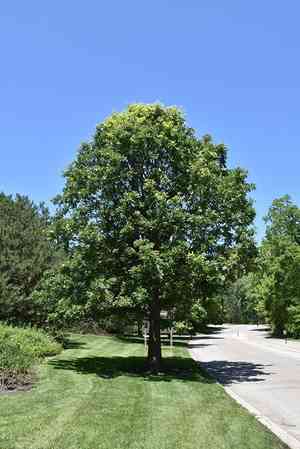
1
The bur oak exhibits remarkable hardiness and can endure severe environmental challenges.
2
This species offers substantial environmental advantages, such as providing shelter for animals.
3
Bur oak is a beneficial inclusion in city environments because of its resistance to contaminants.
Why Is Bur Oak an Outstanding Choice for Gardens?
Minimal Upkeep Requirements
Bur oak is highly regarded for its minimal care demands, making it a perfect option for gardeners seeking an effortless addition. Its resistance to drought and adaptability to diverse soil types mean you can enjoy its beauty without constant attention.
Extended Lifespan and Gradual Development
A defining characteristic of Bur oak is its longevity. This tree can endure for centuries and grows slowly, offering a stable and lasting presence in your garden. Its unhurried growth contributes to better structural integrity and less frequent pruning.
What Environmental Advantages Does Bur Oak Provide?
Carbon Capture
Bur oak plays a vital role in carbon sequestration. Its extensive root system and large biomass absorb and store carbon dioxide, aiding in climate change mitigation. By planting Bur oak, you contribute to cleaner air and a healthier planet.
Erosion Prevention
Thanks to its robust root system, Bur oak excels at preventing soil erosion. It stabilizes the ground across various terrains, making it a valuable asset in landscapes prone to erosion issues. This plant can safeguard your property and maintain soil health.
How Does Bur Oak Benefit Urban Environments?
Pollution Tolerance
Urban areas often contend with high pollution levels, yet Bur oak thrives in such conditions. It can withstand air pollutants better than many other plants, acting as a natural air purifier. Integrating Bur oak into city landscapes can improve air quality and reduce health risks.
Shade and Cooling Effects
Bur oak offers ample shade with its broad canopy, which can significantly reduce temperatures in urban settings. This cooling effect not only makes outdoor spaces more comfortable but also decreases energy consumption for cooling nearby buildings. Planting Bur oak in urban areas can, therefore, contribute to energy efficiency and create more livable spaces.
What Are the Ecological Impacts of Bur Oak?
Wildlife Habitat
Bur oak provides crucial habitat for various species of birds, insects, and mammals. Its acorns serve as a food source for wildlife, while its branches offer nesting sites and shelter. By planting Bur oak, you support biodiversity and foster a balanced ecosystem.
Biodiversity Enhancement
In addition to offering shelter and food, Bur oak promotes overall biodiversity. Its presence can encourage the growth of other native plants and support a wide array of organisms. A diverse plant and animal community is essential for a resilient and healthy environment.
How Can You Integrate Bur Oak Into Your Landscape?
Planning and Site Selection
To successfully incorporate Bur oak into your landscape, begin with careful planning and site selection. Consider factors like soil type, sunlight exposure, and available space. Ensure the site can accommodate the mature size of Bur oak to prevent future conflicts.
Companion Plants
Pairing Bur oak with suitable companion plants can enhance its growth and maximize its advantages. Native grasses and wildflowers are excellent choices, as they complement Bur oak's ecological value and aesthetic appeal. Select companions that share similar soil and light requirements for optimal results.



