The Overcup oak Plant Advantage: Maximizing Home and Office Appeal and Wellness
1
Overcup oak excels in wet environments, offering vital refuge for animals.
2
Its timber is prized for toughness and resilience, making it a top pick for furnishings.
3
Cultivating Overcup oak enhances ground health and stops soil loss, fostering more robust natural systems.
Why is Overcup oak Crucial for Wetland Regions?
Optimal Growth Conditions
Overcup oak thrives particularly well in floodplains and marshy environments. Its root structure can endure extended periods of submersion, making it an excellent option for areas prone to inundation. This adaptability helps maintain ecological equilibrium by offering a stable habitat for various plant and animal species.
Ecological Impact
In wetland zones, Overcup oak significantly contributes to the ecosystem by providing shelter and sustenance for fauna. Birds, mammals, and insects find refuge and nourishment from its acorns and leaves. This tree also supports microhabitats for organisms vital to the nutrient cycling essential for healthy wetland ecosystems.
How Does Overcup oak Benefit the Soil?
Erosion Prevention
A key advantage of Overcup oak is its capacity to prevent soil erosion. Its extensive root system stabilizes the earth, keeping it intact even during heavy rainfall or flooding. This is especially important in riverside areas where erosion can lead to substantial land and habitat loss.
Enhancing Soil Fertility
Overcup oak not only stabilizes soil but also enriches it. Its fallen leaves decompose and add organic matter to the soil, boosting its fertility. This creates a more welcoming environment for other plant species to flourish, thereby increasing biodiversity in the region.
What Are the Practical Applications of Overcup oak Timber?
Durability and Strength
The timber from Overcup oak is renowned for its exceptional durability and robustness. These qualities make it a popular selection for crafting furniture and cabinetry. Its resistance to wear ensures that items made from its wood have a long lifespan.
Other Uses
Beyond furniture, Overcup oak wood is utilized in constructing flooring, barrels, and veneers. Its attractive appearance, combined with functional resilience, makes it an ideal material for various domestic and industrial purposes.
How Can Overcup oak Boost Biodiversity?
Supporting Wildlife
Overcup oak serves as a vital source of food and shelter for numerous animal species. Its acorns are a crucial food source for birds, mammals, and insects, while its broad canopy offers protection from predators and harsh weather conditions.
Plant Communities
The presence of Overcup oak in an area can foster the growth of diverse plant communities. Its shade and soil-enriching properties create favorable conditions for understory vegetation, contributing to a more complex and resilient ecosystem.
What Is the Role of Overcup oak in Landscape Design?
Aesthetic Value
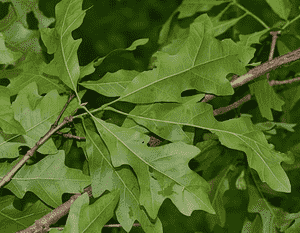
Overcup oak is highly prized for its visual appeal. Its wide, spreading canopy and large, lobed leaves make it an attractive addition to landscapes. It provides visual interest throughout the year, particularly in autumn when its foliage turns a striking red or purple.
Environmental Advantages
In addition to its visual charm, Overcup oak offers several environmental benefits in landscaped areas. Its ability to absorb carbon and improve air quality makes it a sustainable choice for urban and suburban landscaping. Furthermore, its role in supporting local wildlife enhances the ecological value of landscaped spaces.



