The Turkey oak Plant Advantage: Maximizing Home and Office Appeal and Wellness
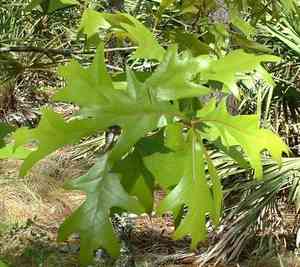
1
Offers crucial living space for diverse animal life.
2
Plays a vital role in securing soil and preventing its loss.
3
Enhances atmospheric purity through pollutant absorption and oxygen generation.
What Are the Ecological Benefits of Turkey oak?
Habitat for Wildlife
Turkey oak serves as a foundational element in diverse ecosystems, offering crucial living spaces for numerous animal species. Birds, mammals, and insects depend on it for refuge and sustenance, fostering biodiversity and ecological well-being.
Soil Stabilization
A key advantage of Turkey oak is its function in securing soil. Its robust root structure helps bind the soil, lessening erosion and preserving the land's integrity. This is especially valuable in areas prone to soil degradation.
Air Quality Improvement
Turkey oak significantly contributes to better air quality. By absorbing pollutants like nitrogen oxides, ammonia, and sulfur dioxide, it aids in purifying the air. Furthermore, it releases oxygen, which is vital for human and animal existence.
How Does Turkey oak Support Local Economies?
Timber and Wood Products
The hard, dense wood of Turkey oak is highly valued for lumber and wood items. Its durability and strength make it perfect for furniture, flooring, and building materials, thereby bolstering local economies reliant on these sectors.
Fuel Source
In many areas, Turkey oak provides a dependable source of firewood and charcoal, particularly in rural communities. This not only offers a sustainable energy option but also decreases reliance on fossil fuels.
Tourism and Recreation
The visual appeal of Turkey oak in landscapes and parks draws tourists and nature lovers. Activities such as bird watching, hiking, and photography can boost local tourism, bringing economic advantages to nearby communities.
How Does Turkey oak Impact Climate Change?
Carbon Sequestration
Turkey oak plays a crucial role in mitigating climate change through carbon capture. By absorbing and storing atmospheric carbon dioxide, this plant helps lower the overall concentration of greenhouse gases, thus contributing to global climate regulation.
Heat Island Mitigation
In urban environments, Turkey oak can considerably lessen the heat island effect. Its canopy provides shade, lowering ambient temperatures and reducing the need for energy-intensive air conditioning. This, in turn, decreases urban heat and conserves energy.
Why Is Turkey oak Important for Soil and Water Conservation?
Improvement of Soil Fertility
Turkey oak enhances soil fertility through its fallen leaves. As the leaves decompose, they enrich the soil with vital nutrients, promoting better plant growth and improving the overall quality of the soil.
Enhancement of Water Quality
By reducing soil erosion, Turkey oak helps maintain water quality in nearby rivers and streams. Its root system filters runoff, which lessens sedimentation and prevents contamination of water bodies. This results in cleaner and more sustainable water sources.
What Are the Cultural and Historical Significances of Turkey oak?
Cultural Practices and Traditions
Turkey oak has been an integral part of various cultural customs and traditions. It is often featured in folklore, art, and literature, symbolizing strength, resilience, and longevity. Many communities hold festivals and ceremonies to honor this esteemed plant.
Historical Landmarks
In several regions, Turkey oak serves as historical markers, denoting significant events or locations. Ancient specimens of Turkey oak are often considered heritage trees, representing a living link to the past and a testament to nature's enduring legacy.



