The Ring-cupped oak Plant Advantage: Maximizing Home and Office Appeal and Wellness
1
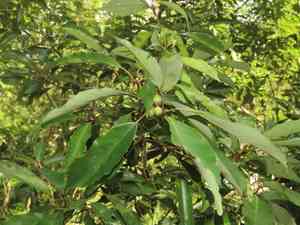
The ring-cupped oak contributes to better air by taking in contaminants and giving off oxygen.
2
The ring-cupped oak offers crucial living space and sustenance for diverse animal life.
3
The timber from the ring-cupped oak is greatly prized for its strength and adaptability.
Environmental Significance of Ring-cupped Oak
Air Purification
Ring-cupped oak significantly improves air quality. It absorbs carbon dioxide and other pollutants, leading to cleaner air. This process helps combat climate change and enhances the health of nearby residents.
Soil Preservation
The extensive root system of Ring-cupped oak aids in soil preservation by preventing erosion and promoting water retention. This is particularly useful in areas prone to soil degradation, where its presence stabilizes the ground and enriches the soil with vital nutrients.
Ring-cupped Oak's Role in Supporting Wildlife
Habitat Provision
Ring-cupped oak offers crucial habitat for various wildlife species. Its dense leaves and acorns provide shelter and food for birds, insects, and mammals. This hub of biodiversity is essential for maintaining ecological balance.
Nutritional Value
The acorns from Ring-cupped oak are nutrient-rich and serve as a critical food source for animals, especially during winter. This contribution is vital for species survival, making Ring-cupped oak a foundational species in many ecosystems.
Practical Applications of Ring-cupped Oak
Timber and Wood Products
Ring-cupped oak wood is valued for its durability, making it suitable for various construction and manufacturing uses. From cabinets to flooring, its robust wood is highly sought after for its strength and aesthetic appeal.
Traditional and Cultural Uses
Historically, different parts of Ring-cupped oak have been utilized in traditional crafts and cultural practices. Its bark, leaves, and acorns have appeared in various artifacts, highlighting its importance in cultural heritage.
Reasons to Encourage Ring-cupped Oak Planting
Urban Landscaping
In urban settings, Ring-cupped oak is increasingly popular for landscaping due to its hardiness and ability to thrive in diverse conditions. Its presence in parks and streetscapes enhances green spaces, offering aesthetic and environmental advantages.
Reforestation Initiatives
Ring-cupped oak plays a key role in reforestation projects, helping to restore native landscapes and boost biodiversity. Its resilience and ecological contributions make it a prime candidate for such efforts.
Ring-cupped Oak's Contribution to Community Wellbeing
Mental Health Benefits
Being in green spaces, including those with Ring-cupped oak, has been shown to reduce stress and improve mental health. The calming effect of nature, provided by trees like Ring-cupped oak, promotes a sense of peace and well-being.
Community Engagement
Community planting projects involving Ring-cupped oak can unite people, fostering a sense of togetherness and purpose. These activities not only improve local environments but also build stronger, more connected communities.



