The Southern red oak Plant Advantage: Maximizing Home and Office Appeal and Wellness
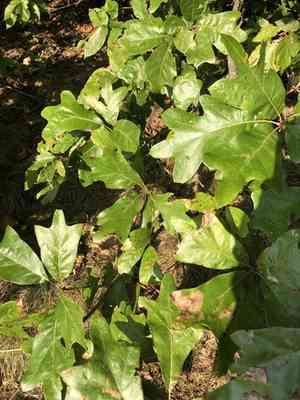
1
The Southern red oak plays a crucial role in enhancing air purity.
2
It offers sustenance and shelter, thereby benefiting local fauna.
3
This tree significantly aids in maintaining robust soil conditions and preventing erosion.
How Does Southern red oak Improve Air Quality?
Carbon Sequestration
Southern red oak plays a key role in carbon sequestration, effectively capturing and storing atmospheric carbon dioxide. This process helps mitigate climate change by lowering greenhouse gases in the air, making Southern red oak vital for sustainable ecological practices.
Oxygen Production
Another crucial contribution of Southern red oak is its capacity to generate oxygen through photosynthesis. This not only sustains various organisms but also enhances air quality, fostering a healthier environment for both humans and animals.
What Role Does Southern red oak Play in Supporting Wildlife?
Habitat and Shelter
Southern red oak offers essential habitat and refuge for a diverse range of wildlife, including birds, insects, and small mammals. Its natural structure and foliage provide protection and nesting sites, ensuring biodiversity is maintained.
Food Source
Beyond providing shelter, Southern red oak is also a vital food source for numerous wildlife. Its acorns are favored by various animals, including squirrels, deer, and many bird species, ensuring a stable food supply within the ecosystem.
How Does Southern red oak Enhance Soil Health?
Soil Stabilization
One of the significant environmental benefits of Southern red oak is its ability to stabilize soil. Its extensive root system anchors the soil, reducing erosion and preventing sediment runoff into nearby water bodies. This is particularly beneficial in areas prone to soil erosion and degradation.
Nutrient Cycling
Southern red oak actively participates in nutrient cycling, contributing to soil fertility. As organic matter from the plant decomposes, it releases vital nutrients like nitrogen and phosphorus back into the soil, enhancing its quality and promoting plant growth.
Can Southern red oak Be Used in Landscaping and Urban Planning?
Aesthetic Appeal
Southern red oak is often chosen for landscaping and urban planning due to its aesthetic appeal. Its vibrant foliage and robust structure add visual interest to parks, gardens, and urban green spaces, making it a popular choice among landscape architects.
Shade and Temperature Regulation
In addition to its beauty, Southern red oak provides valuable shade, which is essential in urban areas. Shading from this plant helps reduce temperatures, contributing to a cooler microclimate and reducing the urban heat island effect.
Why Is Southern red oak Important for Water Conservation?
Water Retention
Southern red oak contributes to water conservation by aiding in water retention. Its deep root system helps maintain soil moisture levels, which is particularly beneficial in areas experiencing drought conditions.
Runoff Reduction
By stabilizing the soil and reducing erosion, Southern red oak minimizes runoff, decreasing the likelihood of pollutants entering water bodies. This contributes to the preservation of water quality and the overall health of aquatic ecosystems.



