The Scarlet oak Plant Advantage: Maximizing Home and Office Appeal and Wellness
1
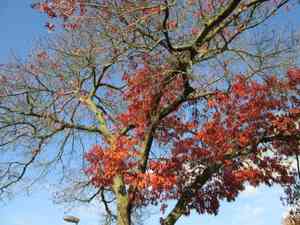
Scarlet oak displays brilliant autumn leaves, bringing a burst of color to your outdoor space.
2
It offers superb shade and purifies the atmosphere.
3
Boosts ecological diversity by aiding native fauna.
Why Scarlet Oak is an Outstanding Option for Your Landscape
Vibrant Autumn Colors
Scarlet oak is celebrated for its striking red leaves during the autumn, making it a preferred selection among homeowners and designers seeking to infuse vivid color into their surroundings. Its brilliant red hues can become a focal point in any garden, enhancing both beauty and diversity in the landscape.
Excellent Shade Provider
With its expansive canopy, Scarlet oak offers ample shade, making it ideal for creating cool, comfortable outdoor areas. Whether you aim to lower energy costs by shading your home or establish a pleasant outdoor retreat, this plant provides a practical and attractive solution.
Environmental Advantages of Cultivating Scarlet Oak
Enhances Air Quality
Scarlet oak plays a crucial role in improving air quality. Its leaves function as natural air filters, capturing pollutants like dust, pollen, and smoke particles. Furthermore, it absorbs carbon dioxide and releases oxygen, significantly contributing to reducing your property's overall carbon footprint.
Erosion Prevention
The extensive root system of Scarlet oak is highly effective at stabilizing soil, making it an excellent choice for areas susceptible to erosion. By planting Scarlet oak, you can prevent soil degradation and encourage the retention of vital nutrients, fostering healthier soil and plant life.
How Does Scarlet Oak Support Local Wildlife?
Habitat for Birds and Small Mammals
Scarlet oak serves as a crucial habitat for various bird and small mammal species. Its acorns provide a nutritious food source, while its dense foliage offers shelter and nesting sites. By planting Scarlet oak, you create a welcoming environment for wildlife, boosting local biodiversity.
Supports Insect Populations
Scarlet oak is also vital for sustaining insect populations. Many caterpillars and butterflies depend on its leaves for sustenance, while bees and other pollinators are drawn to its flowers. This, in turn, supports the broader ecosystem by ensuring pollination and the continuation of various plant species.
Is Scarlet Oak a Sustainable Choice?
Low Maintenance Requirements
Scarlet oak is known for its resilience and minimal upkeep needs, making it a sustainable option for diverse environments. It requires little watering once established and can thrive in various soil types, including poor and compacted soils.
Longevity and Durability
With a lifespan that can span several decades, Scarlet oak offers long-term benefits. Its robust nature allows it to withstand harsh weather conditions, ensuring it remains a steadfast part of your landscape for many years. The durability of Scarlet oak also means less frequent replanting, contributing to its sustainability.



