The Swamp white oak Plant Advantage: Maximizing Home and Office Appeal and Wellness
1
Swamp white oak improves ground richness and stops soil loss.
2
This tree offers refuge and sustenance to a wide array of animals.
3
Swamp white oak shows strong resilience to diverse soil types and infestations.
Why Opt for Swamp White Oak in Your Outdoor Space?
Versatility in Soil Conditions
Swamp white oak flourishes across diverse soil types, including clay, loam, and sandy compositions, making it an excellent selection for various environmental settings. Its hardiness extends to different moisture levels, from poorly drained wet areas to moderately dry regions. This adaptability ensures Swamp white oak can grow with minimal soil preparation and upkeep.
Boosting Visual Appeal
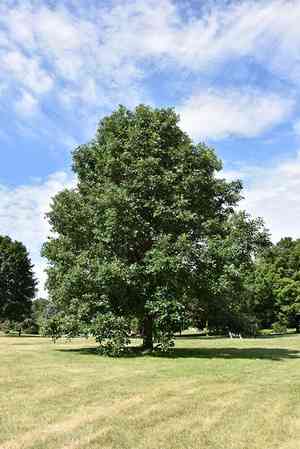
With its uniquely lobed leaves and sturdy form, Swamp white oak imparts a touch of sophistication and grandeur to any landscape. In autumn, its foliage transforms into a stunning golden-yellow hue, offering a vibrant burst of color. Its impressive canopy provides shade, making outdoor spaces more pleasant during hot summer months.
Environmental Advantages of Swamp White Oak
Supporting Biodiversity
Swamp white oak plays a vital role in fostering local biodiversity. It provides shelter and food sources for numerous wildlife species, including birds, mammals, and insects. By establishing a flourishing mini-ecosystem, this plant species helps sustain various life forms and promotes ecological equilibrium.
Preventing Soil Erosion
The extensive root system of Swamp white oak helps to stabilize soil and prevent erosion. This makes it an invaluable asset in areas susceptible to soil degradation. By planting Swamp white oak, you can safeguard the landscape from the damaging effects of water runoff and wind erosion, promoting healthier soil and vegetation.
How Swamp White Oak Enhances Air Quality
Carbon Sequestration
Swamp white oak is effective at capturing and storing carbon dioxide, a significant greenhouse gas. Through the natural process of photosynthesis, it absorbs CO2 from the atmosphere and converts it into oxygen. This aids in mitigating climate change and improving overall air quality.
Reducing Air Pollutants
Beyond carbon sequestration, Swamp white oak also filters out various airborne pollutants. Its leaves trap airborne particles, including dust and contaminants, lowering their concentration in the environment. This results in cleaner, fresher air, contributing to the well-being of the surrounding community.
What Makes Swamp White Oak a Sustainable Option?
Minimal Maintenance Needs
Swamp white oak requires little upkeep once established. Its resistance to pests and diseases means fewer chemical treatments and interventions, aligning with sustainable gardening practices. Furthermore, its ability to thrive with minimal watering reduces the need for excessive water usage, making it an eco-friendly choice.
Extended Lifespan
With a lifespan that can span several decades, Swamp white oak offers long-term benefits without the need for frequent replanting. This longevity ensures a stable landscape and continuous provision of ecological advantages. It also makes Swamp white oak a cost-effective investment for both private and public landscaping projects.
Integrating Swamp White Oak into Your Landscape Design
Optimal Planting Locations
When incorporating Swamp white oak into your landscape design, consider areas that benefit from its shade, soil stabilization, and aesthetic appeal. Typically, Swamp white oak can be utilized in parks, along streets, and in residential gardens where its shade and beauty can be appreciated.
Complementary Plants
Pair Swamp white oak with compatible plant species to create a diverse and visually appealing landscape. Consider underplanting with shade-tolerant shrubs and groundcovers, such as ferns and woodland flowers, to enhance the ecological and aesthetic value of your garden.



