The Coast live oak Plant Advantage: Maximizing Home and Office Appeal and Wellness
1
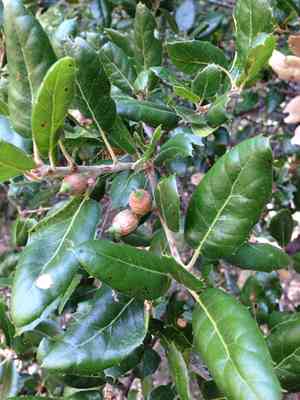
The coast live oak is an evergreen tree, offering continuous shelter for various wildlife species.
2
Its extensive root system makes the coast live oak essential for preventing soil erosion.
3
Acorns produced by the coast live oak are a critical food supply for numerous animal species.
What Makes Coast live oak So Special?
Unique Characteristics
Coast live oak exhibits a variety of distinct traits that distinguish it from other tree species. It is renowned for its extended lifespan, frequently enduring for centuries, and its capacity to endure arid conditions. This hardiness makes it a crucial plant in dry climates where other species might struggle to thrive.
Ecological Importance
A primary aspect of Coast live oak is its function in sustaining ecological equilibrium. Its extensive root system not only supports the tree in harsh environments but also prevents soil erosion, a common problem in many landscapes. Furthermore, the canopy of Coast live oak offers shade and refuge, creating a microhabitat for diverse plant and animal species.
How Does Coast live oak Support Wildlife?
Habitat and Shelter
Coast live oak provides year-round dwelling for a wide range of wildlife. Birds, mammals, and insects all find sanctuary within its branches and foliage. The dense canopy offers protection from predators and extreme weather, making it an ideal nesting location for numerous bird species.
Food Source
The acorns produced by Coast live oak serve as a vital food source for many creatures, including squirrels, deer, and various bird species. These acorns are not only nutritious but also abundant, ensuring that wildlife has access to a dependable food supply throughout the year.
What Role Does Coast live oak Play in Soil Health?
Nutrient Recycling
The fallen leaves from Coast live oak decompose gradually, progressively releasing nutrients back into the soil. This slow decomposition process enriches the soil, enhancing its fertility and supporting the growth of other plants nearby. The rich organic matter also aids in moisture retention, reducing the need for extra watering.
Erosion Control
Coast live oak's root system is extensive and deep, offering excellent erosion prevention. By firmly anchoring the soil, these roots help avert landslides and maintain the integrity of the terrain. This function is particularly critical in areas prone to heavy rainfall and steep slopes.
Why Is Coast live oak Important for Air Quality?
Carbon Sequestration
Coast live oak plays a crucial role in carbon sequestration, the process of capturing and storing atmospheric carbon dioxide. By absorbing CO2 during photosynthesis, Coast live oak helps alleviate the impacts of climate change. Its large canopy and long lifespan make it especially effective in this capacity.
Air Purification
In addition to carbon sequestration, Coast live oak purifies the air by trapping dust, pollen, and other airborne particles. This natural filtration process improves air quality, benefiting both humans and wildlife. The cleaner air contributes to healthier ecosystems and lessens the impact of respiratory issues in nearby populations.
Can Coast live oak Be Used in Landscaping?
Aesthetic Appeal
Coast live oak is a favored option for landscaping due to its visual charm. Its evergreen foliage, sprawling branches, and robust trunk add a touch of natural beauty to parks, gardens, and residential areas. The tree's presence enhances the visual landscape, making it a favorite among landscape architects and gardeners.
Practical Applications
Beyond its beauty, Coast live oak is also valued for its practical uses in landscaping. Its shade provides a cool, comfortable environment, reducing the need for artificial cooling during hot weather. Additionally, its ability to grow in various soil types and withstand drought makes it a versatile choice for areas with challenging growing conditions.
How Is Coast live oak Utilized in Traditional Practices?
Cultural Significance
Coast live oak has been a cornerstone in the cultural practices of various indigenous communities. The tree and its components have been used in ceremonies, crafts, and as symbols of strength and endurance. Its wood and bark have been employed in traditional construction and tool-making, demonstrating its adaptability.
Sustainability Practices
In contemporary times, Coast live oak continues to inspire sustainable methods. Its slow growth and resilience are often highlighted in conservation efforts, emphasizing the importance of safeguarding older, established trees. Furthermore, its environmental advantages make it a key species in reforestation and habitat restoration initiatives.



