The Sawtooth oak Plant Advantage: Maximizing Home and Office Appeal and Wellness
1
Sawtooth oak contributes to better soil health and erosion control.
2
Offers superb shade and visual appeal to outdoor spaces.
3
Sustains various wildlife species by supplying nourishment and shelter.
What Are the Environmental Advantages of Sawtooth Oak?
Soil Enhancement
Sawtooth oak plays a vital role in improving ground quality. Its extensive root network helps maintain soil structure and prevents erosion. Decomposed Sawtooth oak leaves enrich the soil with organic matter and essential nutrients.
Water Management
A significant advantage of Sawtooth oak is its efficient water handling. Its deep root systems absorb substantial water, decreasing surface runoff and aiding groundwater replenishment. Additionally, the tree acts as a natural filter, capturing pollutants and improving water quality.
How Does Sawtooth Oak Benefit Local Wildlife?
Habitat Provision
Sawtooth oak offers an excellent habitat for various birds, mammals, and insects. The tree provides shelter and nesting locations, contributing to the area's biodiversity. Many species rely on Sawtooth oak for sustenance in the form of acorns and foliage.
Food Source
Acorns produced by Sawtooth oak are a crucial food source for wildlife, including deer, squirrels, and birds. The nutritional value of these acorns makes them a staple in the diet of many animals, supporting the local food web.
What Are the Aesthetic and Recreational Advantages?
Shade and Cooling
Sawtooth oak is known for its broad canopy, which provides excellent shade, making it an ideal tree for parks and residential areas. The shade not only offers comfort on hot days but also helps reduce the urban heat island effect, contributing to a cooler environment.
Landscape Appeal
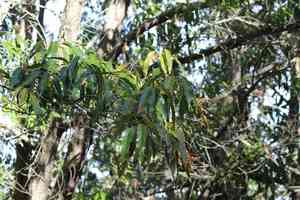
The distinctive appearance of Sawtooth oak with its serrated leaves adds a unique touch to any landscape. Whether used as a solitary specimen tree or as part of a larger design, Sawtooth oak enhances the visual attractiveness of gardens, parks, and public spaces.
How to Care for and Maintain Sawtooth Oak?
Planting Advice
When planting Sawtooth oak, ensure it is placed in a location with ample sunlight and well-drained soil. Young trees require consistent watering until established, after which they are relatively drought-tolerant.
Pruning and Upkeep
Pruning Sawtooth oak is essential for maintaining its form and health. Regularly remove dead or diseased branches and ensure adequate spacing between branches to allow sunlight to reach the canopy. Mulching around the base can help retain moisture and regulate soil temperature.



