The Scarlet firethorn Plant Advantage: Maximizing Home and Office Appeal and Wellness
1
Pyracantha coccinea yields bright orange-red fruits, adding visual appeal seasonally.
2
Pyracantha coccinea is ideal for creating hedges because of its thick foliage and spiny stems.
3
Pyracantha coccinea benefits local fauna by supplying sustenance and shelter for avian species.
Why Select Scarlet Firethorn for Your Garden?
Visual Appeal
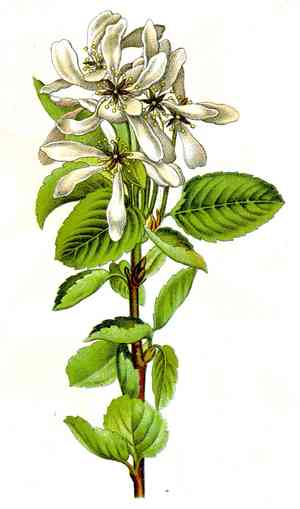
A key characteristic of Scarlet firethorn is its vivid orange-red fruit, especially prominent in autumn and winter. These colorful berries provide a stark contrast to the plant's shiny green leaves, making it a focal point in any garden. Additionally, its blossoms appear in lovely white clusters in spring, adding another layer of beauty to your outdoor space.
Dense Growth and Flexible Applications
Scarlet firethorn is renowned for its thick, spiny branches, making it perfect for hedges and privacy barriers. Its vigorous growth habit ensures it forms a tight, impenetrable screen, offering seclusion and security. Beyond hedging, this plant can also be used for espalier, groves, or vibrant winter interest when other plants have shed their leaves.
Environmental Advantages of Scarlet Firethorn
Wildlife Support
Scarlet firethorn is an excellent plant for attracting and sustaining wildlife. Its berries serve as a food source for various bird species, such as thrushes and waxwings, during colder months when food is scarce. The dense foliage and thorny branches also offer superb nesting sites and protection from predators, turning your garden into a sanctuary for birds and small mammals.
Pollinator Attraction
The white flowers of Scarlet firethorn, blooming from late spring to early summer, are highly appealing to pollinators like bees and butterflies. By planting Scarlet firethorn, you not only enhance your garden's beauty but also contribute to the preservation of vital pollinators, which play a critical role in the ecosystem.
Cultivating and Caring for Scarlet Firethorn
Optimal Growing Conditions
Scarlet firethorn thrives in well-drained soil and can adapt to various soil types, including clay, loam, and sandy soils. This resilient plant prefers full sun to partial shade and is drought-tolerant once established, making it a low-maintenance option for diverse garden environments.
Pruning and Upkeep
While Scarlet firethorn requires relatively little maintenance, regular pruning can help preserve its shape and encourage more robust growth. Pruning is best performed in late winter or early spring before new growth commences. Be sure to wear gloves and protective clothing, as the plant's thorns can be sharp.
Landscape Applications of Scarlet Firethorn
Hedges and Privacy Screens
Given its dense and thorny nature, Scarlet firethorn is an excellent choice for creating natural hedges and privacy screens. Its vigorous growth ensures a thick, impenetrable barrier, which can deter intruders and provide a secluded area in your garden.
Ornamental Feature
Scarlet firethorn's striking berries and seasonal color make it a perfect ornamental accent in garden beds, borders, or even containers. Its adaptability allows it to blend seamlessly with other plants, adding unique texture and visual interest to any landscape design.



