The Common lungwort Plant Advantage: Maximizing Home and Office Appeal and Wellness
1
Pulmonaria officinalis is well-known for its antioxidant qualities, aiding in the neutralization of free radicals.
2
The herb promotes respiratory well-being and is frequently incorporated into herbal treatments.
3
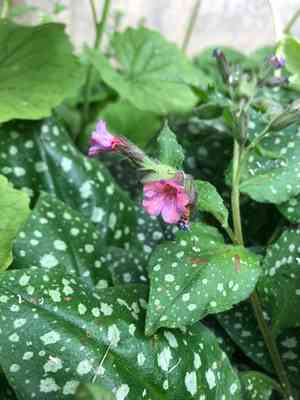
Its colorful blossoms also serve to draw in beneficial insects such as bees and butterflies.
What Makes Common Lungwort Unique?
Past Significance
Historically, Common lungwort found application in traditional medicine to bolster respiratory well-being, attributed to its anti-inflammatory qualities and capacity to alleviate irritation. This plant boasts a rich heritage in Europe, where it was frequently employed in home remedies for breathing ailments.
Nutrient Content
Common lungwort is abundant in advantageous compounds, including saponins, tannins, and flavonoids. These constituents render the plant a potent antioxidant, aiding in the fight against oxidative stress and fostering overall health. The presence of vitamins and minerals further enhances its nutritional profile, supporting various bodily functions.
Health Advantages of Common Lungwort
Antioxidant Properties
A primary benefit of Common lungwort is its antioxidant concentration. Antioxidants play a vital role in safeguarding the body's cells from damage caused by free radicals, which can lead to chronic illnesses. Consistent incorporation of Common lungwort into your diet or herbal regimen can bolster the body's natural defense mechanisms.
Respiratory Wellness
Common lungwort is frequently lauded for its effectiveness in promoting respiratory health. The plant's compounds assist in calming the mucous membranes within the respiratory tract, making it a favored option in herbal preparations for coughs, colds, and bronchial conditions. Its ability to function as an expectorant aids in clearing mucus, offering relief from congestion.
Cultivating Common Lungwort: A Gardener's Pleasure
Optimal Growing Conditions
Common lungwort flourishes in shaded or partially shaded locales with well-draining soil. It is a perennial that favors cooler climates and can thrive beneath deciduous trees, where it can benefit from both sunlight and shade. Consistent watering and preventing dry soil are crucial for robust growth.
Propagation Advice
You can propagate Common lungwort by sowing seeds or through division. For optimal outcomes, sow seeds in late winter or early spring. If dividing, it's best done in early spring or late autumn. Ensure new plants are adequately watered and established in slightly acidic to neutral soil for optimal development.
Incorporating Common Lungwort into Your Daily Routine
Culinary Applications
While not typically found in culinary dishes, Common lungwort can be a distinctive addition to salads, soups, and stews. Its leaves can be utilized similarly to spinach, imparting a touch of nutrition and flavor to your meals. Fresh or dried leaves can also be brewed into herbal teas.
Topical Uses
Common lungwort can be applied topically for its soothing and anti-inflammatory effects. Salves and poultices crafted from Common lungwort can be used on minor cuts, burns, and skin irritations. The plant's emollient qualities help maintain skin hydration and protection.



