The Western brackenfern Plant Advantage: Maximizing Home and Office Appeal and Wellness
1
Western brackenfern is recognized for its capacity to improve ground conditions.
2
This flora is frequently utilized in customary crafts and weaving.
3
It provides essential living space for fauna in its indigenous areas.
How Does Western brackenfern Improve Soil Quality?
Natural Fertilizer
Western brackenfern functions as an organic fertilizer, enriching soil with vital nutrients. As the plant decays, it releases organic matter, enhancing soil structure and fertility. Farmers and gardeners frequently utilize Western brackenfern to foster plant growth and sustainability in their fields.
Erosion Control
With its extensive root system, Western brackenfern plays a crucial role in preventing soil erosion. Its roots stabilize the soil, reducing the risk of landslides and protecting topsoil from being washed away by heavy rains. This makes it a vital component in maintaining land integrity in vulnerable areas.
What Are the Practical Uses of Western brackenfern?
Traditional Crafts
Western brackenfern has been used for centuries in traditional crafts, particularly in basketry. Its long, sturdy fronds are woven to create beautiful and durable baskets, mats, and other functional items. This not only preserves cultural heritage but also promotes the use of sustainable materials.
Natural Mulch
Gardeners often use Western brackenfern as a natural mulch to protect plants from harsh weather conditions. Its fronds can cover soil, maintaining moisture levels and suppressing weed growth. This simple yet effective practice enhances garden health without the need for synthetic chemicals.
Why Is Western brackenfern Important for Wildlife?
Habitat Provision
Western brackenfern provides a critical habitat for various wildlife species. Its dense foliage offers shelter and nesting sites for birds, insects, and small mammals. This is especially important in ecosystems where natural habitats are dwindling due to human activities.
Food Source
Many animals rely on Western brackenfern as a food source. Its leaves and spores are consumed by different herbivores, contributing to the biodiversity and balance of the ecosystem. By supporting a range of species, Western brackenfern plays a key role in maintaining healthy and dynamic natural environments.
How Can Western brackenfern Be Used in Landscaping?
Aesthetic Appeal
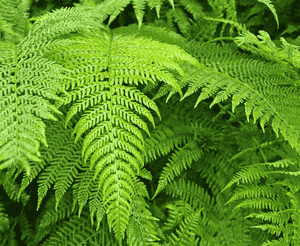
With its distinctive fronds and lush green appearance, Western brackenfern adds a unique aesthetic to any landscape design. It is often used in ornamental gardens to create a naturalistic look, blending seamlessly with other plants and adding texture and movement to the garden space.
Low Maintenance
Western brackenfern is a hardy plant that requires minimal maintenance, making it ideal for both novice and experienced gardeners. It can thrive in various soil types and conditions, needing little care once established. This makes it a practical choice for sustainable landscaping projects.
What Are the Cultural Significances of Western brackenfern?
Historical Practices
Historically, Western brackenfern has been used in various cultures for its practical and symbolic value. From ancient rituals to everyday uses, this plant has played an important role in human societies across different regions. Its continued use today reflects a deep respect and understanding of natural resources.
Educational Value
Educators and researchers often highlight Western brackenfern to demonstrate ecological principles and traditional ecological knowledge. Its diverse applications serve as a teaching tool in environmental education, promoting awareness and appreciation of natureâs interconnected systems.



