The Common Hoptree Plant Advantage: Maximizing Home and Office Appeal and Wellness
1
This botanical specimen is recognized for its versatility and hardiness across diverse environmental conditions.
2
Its foliage and blossoms have historically been utilized for their fragrant qualities.
3
This flora contributes to ecological diversity by offering shelter and sustenance to numerous insects and avian species.
What Are the Environmental Advantages of Common Hoptree?
Versatility and Soil Enrichment
Common Hoptree exhibits high versatility and resilience, enabling it to flourish across diverse soil types and climates. This adaptability positions the plant as a prime option for enhancing soil quality in areas prone to erosion or degradation. Its root system aids in stabilizing the soil, preventing erosion, and fostering nutrient retention.
Habitat Establishment
A key environmental advantage of Common Hoptree is its role in fostering biodiversity. It offers refuge and sustenance for various insects, birds, and small mammals, contributing to ecological equilibrium. Its blooms draw in pollinators, while its dense foliage and branches provide nesting locations and defense against predators.
How Can Common Hoptree Improve Your Garden?
Visual Appeal
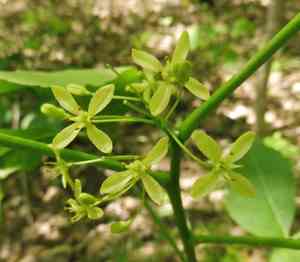
Common Hoptree showcases attractive leaves, fragrant blossoms, and interesting bark textures that provide year-round visual interest to gardens and landscapes. Its three-lobed leaves transform into a lovely yellow in autumn, and its spring flowers add a touch of grace and scent to any garden.
Minimal Upkeep Needs
For gardeners seeking a low-maintenance plant, Common Hoptree is an excellent selection. It requires little care once established, making it perfect for novice gardeners or those aiming to lessen their gardening workload. Its drought tolerance and resistance to common pests and diseases further reduce the need for intensive attention.
What Traditional Applications Does Common Hoptree Possess?
Historical Fragrant Uses
Historically, the leaves and flowers of Common Hoptree have been valued for their aromatic qualities. They were frequently employed in various traditional practices for their pleasant fragrance, which was believed to offer diverse benefits for well-being and atmosphere.
Cultural Importance
Common Hoptree holds cultural significance in certain communities, where it has appeared in folklore and traditional ceremonies. Its distinctive appearance and aromatic attributes have solidified its position as a cherished plant in many customs.
How Does Common Hoptree Support Ecological Diversity?
Pollinator Assistance
The flowers of Common Hoptree are highly attractive to pollinators like bees and butterflies. By cultivating Common Hoptree, you can help sustain the health and populations of these crucial pollinators, which are vital for the reproduction of many plant species and the production of food crops.
Wildlife Sanctuary
Common Hoptree provides essential habitat for various forms of wildlife. Its dense foliage offers protection and nesting sites for birds, while its seeds and flowers serve as food sources for insects and small mammals. By integrating Common Hoptree into your landscape, you contribute to the creation of a flourishing, biodiverse environment.



