The Shaving Brush Tree Plant Advantage: Maximizing Home and Office Appeal and Wellness
1
This botanical specimen flourishes in temperate environments and soil that drains efficiently.
2
Its unique blossoms draw in beneficial insects such as bees and avian species like hummingbirds.
3
The plant's outer covering and foliage provide numerous historical applications and advantages.
Why the Shaving Brush Tree is an Essential Plant
Striking Appearance
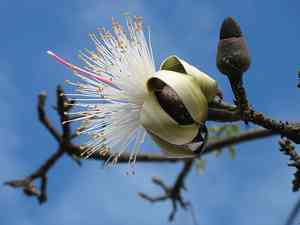
The Shaving Brush Tree is easily identified by its remarkable flowers, which resemble a shaving brush, bringing a distinct charm to any garden. Its vivid blossoms can elevate the beauty of your outdoor area, making it a central feature in your garden layout.
Attracts Beneficial Pollinators
Beyond enhancing your garden's beauty, the Shaving Brush Tree plays a vital role in supporting local wildlife. Its bright and unusual flowers draw in a variety of pollinators, such as bees and hummingbirds, which are crucial for your garden's ecological balance.
What Are the Cultivation Needs for Shaving Brush Tree?
Ideal Climate Conditions
The Shaving Brush Tree flourishes in warm, tropical to subtropical environments. It prefers full sun to partial shade and thrives in locations where it receives ample light. This plant is perfect for gardens in warmer regions where it can reach its full potential.
Soil and Hydration Requirements
Well-draining soil is essential for the healthy development of the Shaving Brush Tree. It does not tolerate waterlogged conditions, so ensuring proper soil drainage can prevent root rot. Water this plant moderately, allowing the soil to dry slightly between watering sessions to mimic its natural habitat.
What Garden Applications Does Shaving Brush Tree Offer?
Landscape Enhancement
The Shaving Brush Tree can serve as a magnificent ornamental plant in various garden settings. Whether planted as a solitary focal point or integrated into a mixed border, its unique look and vibrant colors make it a versatile addition to any landscape design.
Shade Provision and Erosion Control
As the Shaving Brush Tree matures, it develops a wide canopy that can provide ample shade, making it ideal for creating a cool retreat in your garden. Furthermore, the plant's extensive root system can help prevent soil erosion, especially on slopes and embankments.
How Has Shaving Brush Tree Been Traditionally Utilized?
Cultural Significance
In many cultures, the Shaving Brush Tree holds significant traditional value. Its bark and leaves have historically been used for various purposes, from crafting to ceremonial use. While these traditional applications may differ, they highlight the plant's versatility and cultural importance.
Practical Applications
Beyond its decorative value, the leaves and bark of the Shaving Brush Tree have been employed in crafting and other practical uses. Although its primary appeal remains its beauty and ecological contributions, understanding its historical usages adds another layer of appreciation for this remarkable plant.
Tips for Maintaining Your Shaving Brush Tree
Pruning and Upkeep
Regular pruning helps maintain the form and health of the Shaving Brush Tree. Remove any dead or diseased branches to encourage vigorous growth. Additionally, light trimming after the flowering season can promote a more structured and aesthetically pleasing appearance.
Pest and Disease Management
The Shaving Brush Tree is relatively resistant to pests and diseases but can occasionally be affected by common garden issues. Monitoring for signs of trouble and treating them promptly with eco-friendly solutions can keep your plant thriving and healthy year-round.



